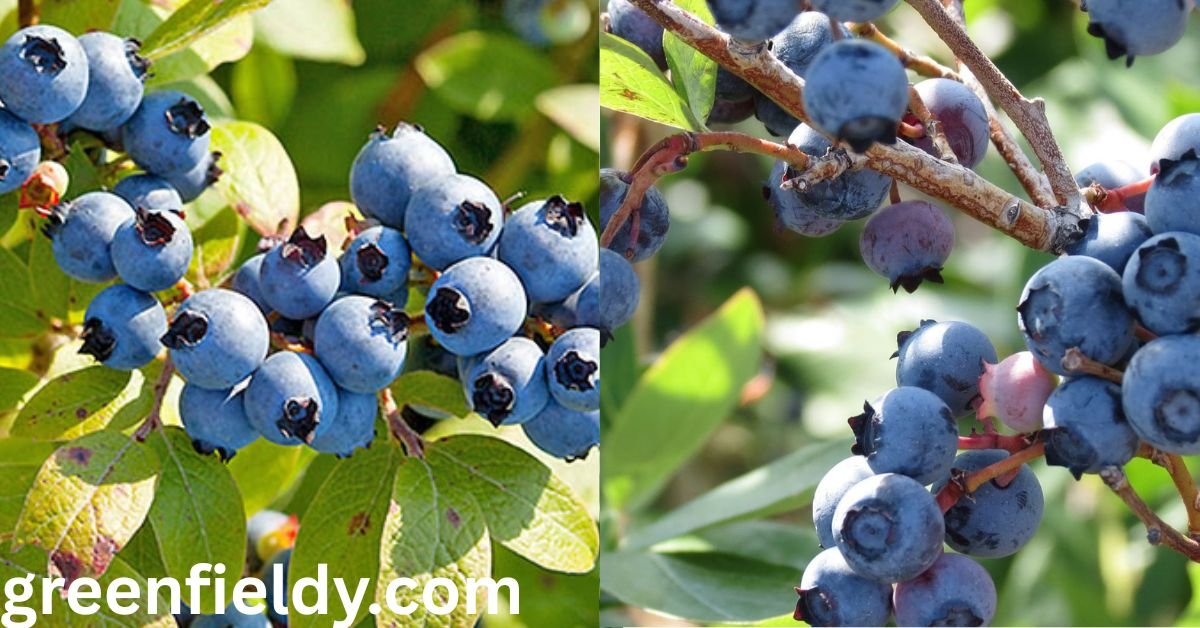
A wild blueberry is a low-growing perennial fruit that naturally grows in fields and barrens rather than being planted in rows like cultivated blueberries. These berries are smaller, darker, and more flavorful because they grow in harsh natural conditions. Unlike farmed varieties, wild blueberry plants spread naturally through underground rhizomes, creating dense patches over time.
Origin and Natural Habitat of Wild Blueberry
Wild blueberries are native to North America, especially in regions such as Maine in the United States and eastern Canada. They thrive in acidic, rocky soil and cold climates. The natural ecosystem plays a crucial role in their growth, as these berries depend on native pollinators and seasonal weather cycles to develop their characteristic taste and nutrient density.
Nutritional Profile of Wild Blueberry
Natural blueberry is considered a nutrient-dense fruit. It is rich in dietary fiber, vitamin C, vitamin K, and manganese. What truly sets wild blueberries apart is their high concentration of antioxidants, particularly anthocyanins, which give them their deep blue color. These compounds help protect cells from oxidative stress and support overall wellness.
Health Benefits of Wild Blueberry
Regular consumption of wild blueberry has been linked to multiple health benefits. Research suggests it supports brain health, improves memory, and promotes heart health by helping regulate blood pressure and cholesterol levels. The antioxidants in Natural blueberry also contribute to reducing inflammation and supporting immune system function.
Wild Blueberry and Brain Health
One of the most studied benefits of Natural blueberry is its impact on cognitive function. The natural compounds in wild blueberries help improve communication between brain cells and may slow age-related cognitive decline. Because of this, wild blueberry is often recommended as a brain-supporting food for all age groups.
Difference Between Wild Blueberry and Cultivated Blueberry
While both belong to the blueberry family, wild blueberry differs significantly from cultivated varieties. Wild blueberries are smaller, contain less water, and have a more concentrated flavor. Nutritionally, wild blueberry generally contains higher antioxidant levels per serving due to its higher skin-to-pulp ratio.
How Natural Blueberry Is Grown and Harvested
Natural blueberry farming is unique because growers manage naturally occurring plants instead of planting new ones. Fields are carefully maintained, pruned, and protected to encourage healthy growth. Harvesting usually takes place once a year, often using specialized machinery that gently collects ripe berries while preserving the plants for future seasons.
Culinary Uses of Natural Blueberry
Wild blueberry is highly versatile in the kitchen. It is commonly used in smoothies, baked goods, sauces, and frozen products. Due to its intense flavor, Natural blueberry enhances recipes without needing added sugar. It is also widely used in health-focused foods such as energy bars, yogurts, and nutritional supplements.
Economic Importance of Wild Blueberry
The wild blueberry industry plays a significant role in local and international markets. It supports farmers, processors, and exporters while contributing to rural economies. Demand for Natural blueberry continues to grow as consumers increasingly prioritize natural and functional foods with proven health benefits.
Sustainability and Future of Wild Blueberry
Sustainability is a core aspect of wild blueberry production. Because these berries grow naturally, they require fewer agricultural inputs compared to conventional crops. Ongoing research focuses on improving yields while preserving biodiversity, ensuring that Natural blueberry remains an environmentally responsible and economically valuable crop for the future.
Frequently Asked Questions (FAQs) About Wild Blueberry
1. What makes wild blueberry different from regular blueberry?
Natural blueberry is smaller, darker, and more nutrient-dense than cultivated blueberry. It grows naturally in the wild and contains higher antioxidant levels due to its thicker skin and lower water content.
2. Is Natural blueberry healthier than cultivated blueberry?
Yes, Natural blueberry generally provides more antioxidants, especially anthocyanins, per serving. These compounds support brain health, heart health, and immune function.
3. Can wild blueberry be eaten daily?
Natural blueberry can be safely consumed daily as part of a balanced diet. Regular intake may help support memory, digestion, and overall wellness due to its fiber and antioxidant content.
4. Are frozen wild blueberries still nutritious?
Frozen Natural blueberry retains most of its nutritional value. Freezing preserves antioxidants and vitamins, making it a convenient and healthy option year-round.
5. Where do Natural blueberries grow naturally?
Natural blueberries grow naturally in North America, particularly in Maine and eastern Canada. They thrive in acidic soil and cold climates without the need for intensive farming.
Conclusion
Wild blueberry is more than just a fruit. It is a powerhouse of nutrition, a supporter of brain and heart health, and a sustainable agricultural product with global impact. From its natural origins to its growing role in modern diets, Natural blueberry continues to stand out as one of nature’s most valuable foods.
About the Author