Understanding the Strawberry Shortage
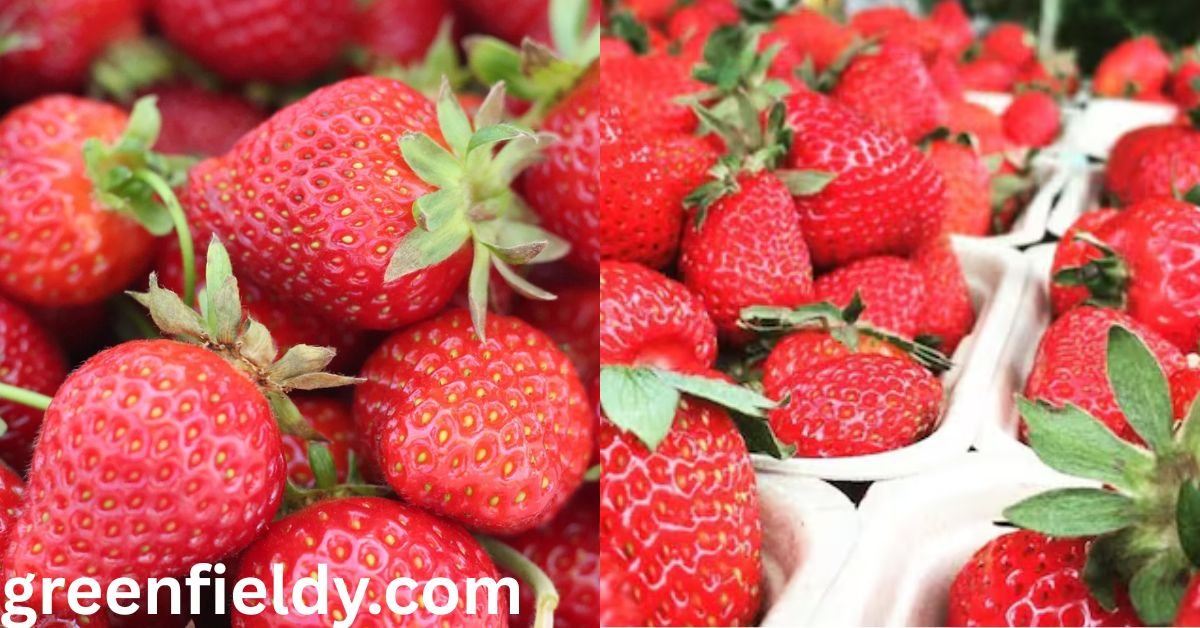
The strawberry shortage refers to a reduced supply of strawberries in markets compared to consumer demand. This imbalance often leads to limited availability and higher prices. Strawberries are a seasonal fruit, and even small disruptions in production or distribution can quickly affect supply levels.
Weather Conditions and Crop Damage
One of the main causes of the strawberry shortage is unfavorable weather. Excessive rainfall, unexpected frost, heatwaves, or droughts can damage strawberry plants. Since strawberries are sensitive to climate changes, poor weather during the growing season can significantly reduce yields.
Impact of Climate Change on Strawberry Farming
Climate change has made weather patterns more unpredictable, increasing the risk of crop failure. Rising temperatures and shifting seasons affect flowering and fruit development, contributing to recurring strawberry shortage issues in many producing regions.
Labor Shortages in Agriculture
Strawberry farming is labor-intensive, especially during harvesting. A lack of seasonal farm workers has become a growing problem worldwide. When farms cannot harvest strawberries on time, large quantities may go to waste, worsening the strawberry shortage.
Supply Chain and Transportation Challenges
Even when strawberries are successfully grown, transportation issues can limit their availability. Fuel price increases, logistics delays, and storage limitations can disrupt the supply chain, making it harder for strawberries to reach markets in fresh condition.
Rising Production Costs
Higher costs for fertilizers, water, energy, and farming equipment have increased overall production expenses. Some farmers reduce strawberry cultivation or switch to other crops, which further contributes to the strawberry deficiency in the market.
Effects of the Strawberry Shortage on Prices
When supply drops and demand remains high, prices rise. Consumers often notice higher costs for fresh strawberries, frozen products, and strawberry-based foods. This price increase directly reflects the impact of the strawberry shortage on the market.
Impact on Food Industry and Businesses
Bakeries, restaurants, and food manufacturers rely heavily on strawberries for desserts, beverages, and jams. A strawberry deficiency can force businesses to adjust recipes, raise prices, or temporarily remove strawberry-based items from their menus.
How Consumers Are Affected
Consumers may experience limited availability, reduced quality, or higher prices. Some people turn to alternative fruits during a strawberry deficiency, while others opt for frozen or imported strawberries as substitutes.
Future Outlook and Possible Solutions
To reduce the risk of future strawberry deficiency events, farmers are adopting climate-resilient farming methods, improved irrigation systems, and advanced greenhouse cultivation. Strengthening supply chains and supporting agricultural labor can also help stabilize strawberry production in the long term.
(FAQs)
What is a strawberry shortage?
A strawberry shortage occurs when the supply of strawberries is lower than market demand. This usually happens due to weather damage, reduced crop yields, labor issues, or supply chain disruptions.
Why is there a strawberry shortage this year?
The strawberry shortage is mainly caused by extreme weather conditions, climate change effects, higher farming costs, and shortages of agricultural labor. These factors reduce production and limit availability.
How does weather affect strawberry production?
Strawberries are sensitive to frost, heavy rain, and heatwaves. Unfavorable weather can damage plants, delay harvesting, or reduce fruit quality, leading to a strawberry deficiency.
Does climate change contribute to strawberry shortages?
Yes, climate change plays a significant role. Rising temperatures and unpredictable seasons disrupt growing cycles, making strawberry farming more challenging and increasing the risk of shortages.
Will strawberry prices increase during a shortage?
Yes, prices usually rise during a strawberry shortage because limited supply and steady demand create higher market value for strawberries and strawberry-based products.
How does the strawberry shortage affect the food industry?
Restaurants, bakeries, and food manufacturers may face higher costs, limited supply, or the need to adjust menus and recipes due to the strawberry shortage.
Conclusion
The strawberry shortage is a complex issue influenced by weather, climate change, labor availability, and supply chain challenges. Understanding its causes and effects helps consumers and businesses adapt while highlighting the importance of sustainable agricultural practices for the future.
About the Author