Pokeweed is a striking plant, but it can also be dangerous if misidentified or mishandled. Many plants resemble it in appearance, leading to confusion among gardeners, foragers, and nature enthusiasts. In this guide, we’ll explore pokeweed look alikes, helping you understand how to identify them correctly and avoid potential risks.
What Is Pokeweed?
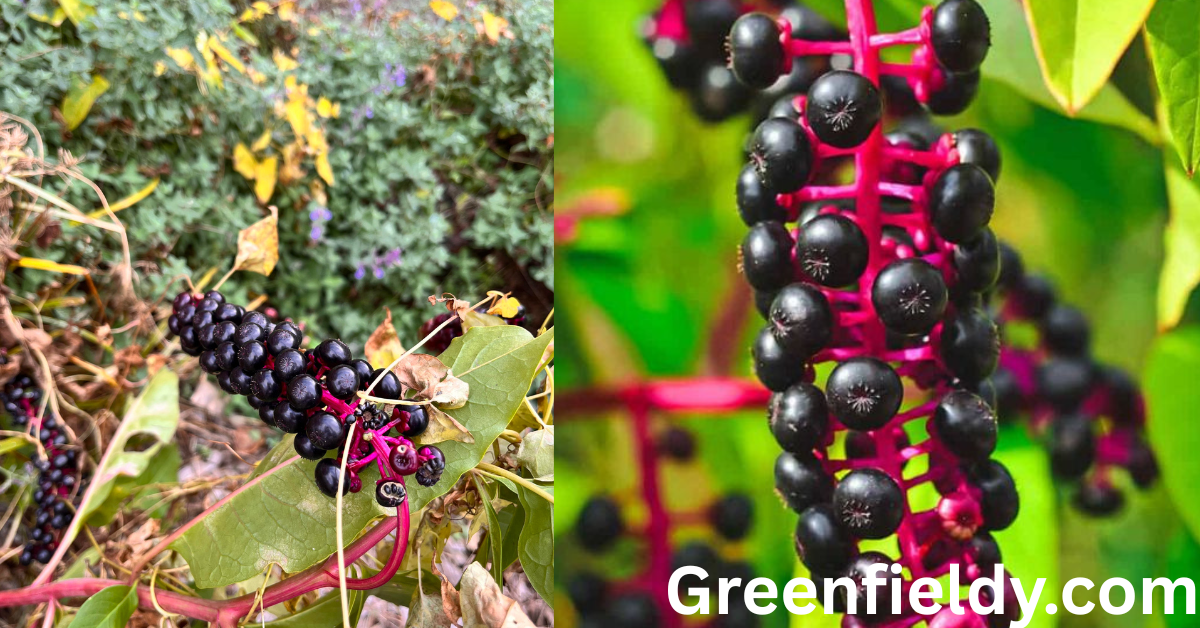
Pokeweed is a fast-growing perennial plant known for its deep purple stems, large leaves, and dark berries. While it has some historical uses, it is toxic in most parts and should be handled with caution.
Understanding pokeweed’s characteristics is the first step in distinguishing it from similar plants.
Why Identifying Pokeweed Look Alikes Matters
Mistaking pokeweed for another plant—or vice versa—can have serious consequences. Some look-alikes are edible, while others may also be toxic. Accurate identification helps prevent accidental poisoning and ensures safe foraging practices.
Key Features of Pokeweed
To recognize pokeweed correctly, look for these traits:
- Thick, smooth, reddish-purple stems
- Large, oval-shaped green leaves
- Drooping clusters of dark purple berries
- Height reaching up to 10 feet
These features serve as a baseline when comparing pokeweed look alikes.
Common Plant #1: Elderberry
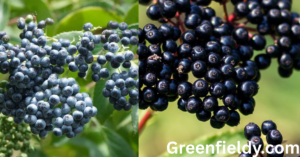
Elderberry is one of the most commonly confused plants.
Differences:
- Elderberry grows as a woody shrub, not a single herbaceous stalk
- Berries grow in flat clusters, not drooping racemes
- Leaves are compound, not simple
While elderberries can be edible when prepared correctly, pokeweed berries are toxic.
Common Plant #2: Nightshade
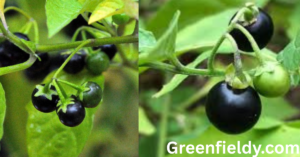
Certain nightshade species resemble pokeweed berries.
Differences:
- Nightshade plants are smaller and more vine-like
- Berries are usually shiny black and grow singly or in small groups
- Leaves are thinner and less broad
Nightshade itself can be toxic, making confusion especially dangerous.
Common Plant #3: Dogbane
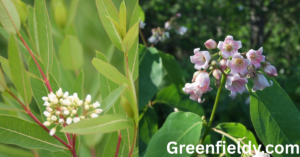
Dogbane shares similarities in leaf structure.
Differences:
- Dogbane produces milky sap when cut
- It has smaller flowers and no berry clusters
- Stems are less vibrant in color
Dogbane is also toxic, reinforcing the importance of proper identification.
Common Plant #4: Amaranth
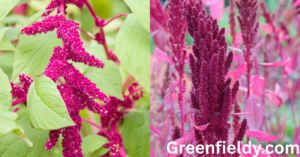
Amaranth species are sometimes mistaken for young pokeweed plants.
Differences:
- Amaranth has green stems instead of purple
- Flower spikes are upright rather than drooping
- Leaves are often narrower
Some amaranth varieties are edible, unlike pokeweed.
Common Plant #5: Phytolacca Relatives
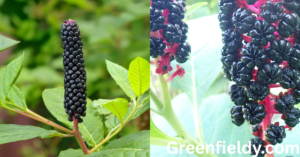
Other species within the same plant family can resemble pokeweed.
Differences:
- Slight variations in berry color and cluster shape
- Differences in plant size and growth pattern
Even within related species, toxicity levels can vary.
Safety Tips When Dealing with Pokeweed Look Alikes
When encountering unfamiliar plants:
- Avoid touching or consuming without proper identification
- Use gloves when handling suspicious plants
- Consult reliable plant guides or experts
- Keep children and pets away
Caution is essential, especially with toxic species.
How to Confidently Identify Pokeweed
To avoid confusion with pokeweed look alikes:
- Observe the stem color carefully
- Examine berry arrangement and structure
- Check leaf shape and growth pattern
- Consider the plant’s overall size and habitat
Combining these factors will improve your identification accuracy.
FAQs
1. Are all pokeweed look alikes toxic?
No, not all look-alikes are toxic. Some, like certain amaranth species, are edible. However, misidentification can be dangerous.
2. Can you eat pokeweed if cooked properly?
While some traditional practices involve cooking pokeweed, it is generally considered unsafe without expert knowledge.
3. What is the biggest risk of confusing pokeweed with other plants?
The main risk is accidental poisoning, especially from consuming toxic berries or plant parts.
4. How can beginners avoid confusing pokeweed look alikes?
Beginners should rely on multiple identification features and avoid consuming wild plants unless absolutely certain.
5. Where does pokeweed usually grow?
Pokeweed commonly grows in open fields, roadsides, and disturbed soils.
Conclusion
Understanding pokeweed look alikes is essential for anyone exploring nature, gardening, or foraging. While many plants may appear similar at first glance, careful observation of stems, leaves, and berries can help you distinguish them accurately. Always prioritize safety and avoid consuming any plant unless you are completely confident in its identification.
About the Author