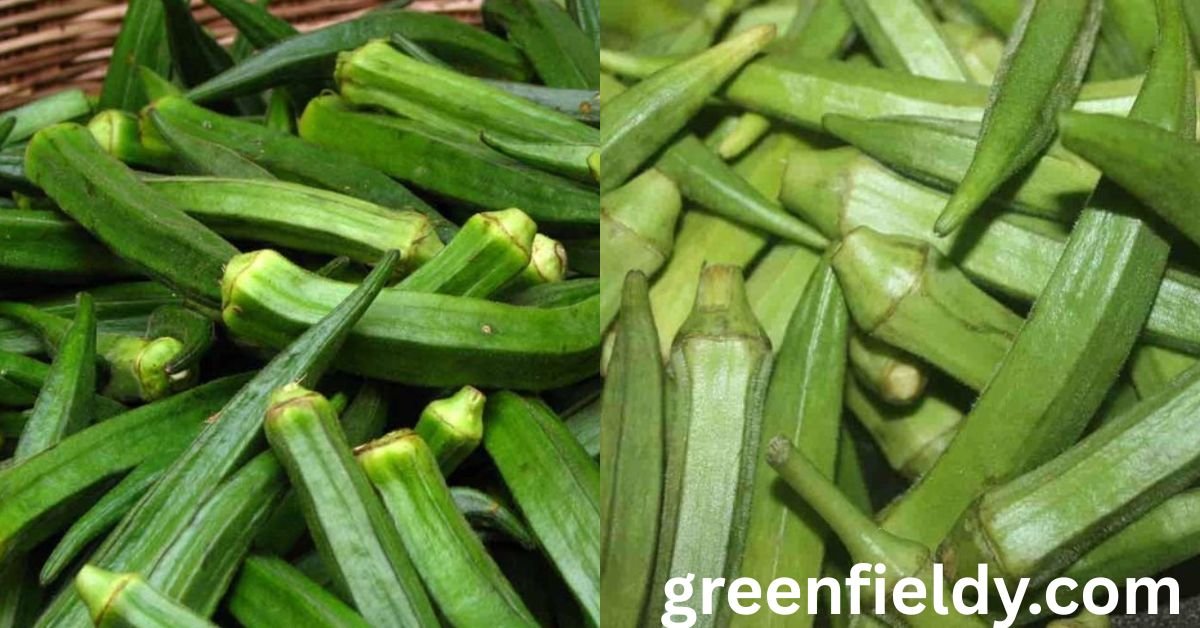
The okra shortage has become a noticeable issue in many markets, affecting households, restaurants, and farmers alike. Once an easy-to-find vegetable, okra is now experiencing supply gaps that have pushed prices higher and availability lower. This guide explains what an okra deficiency is, why it happens, and how it impacts consumers and the food system, without drifting into irrelevant territory.
Understanding the Okra Shortage
An okra shortage occurs when the supply of fresh okra cannot meet market demand. This imbalance may be short-term or seasonal, but in some regions it can last longer due to environmental and economic pressures. When harvests fall behind demand, shelves thin out and prices rise, making okra harder to access for everyday cooking.
Seasonal Nature of Okra Production
Okra thrives in warm climates and is highly sensitive to temperature changes. The okra shortage often becomes more visible during off-season months when growing conditions are unfavorable. In cooler or unpredictable weather, okra plants grow slowly or fail to produce pods, reducing overall supply.
Climate Change and Weather Extremes
One major driver behind the okra shortage is climate instability. Heatwaves, droughts, heavy rains, and floods can damage crops at critical stages. Even a short spell of extreme weather can reduce yields, disrupt harvesting schedules, and lower the quality of okra reaching markets.
Rising Farming Costs
Higher input costs play a quiet but powerful role in the okra shortage. Seeds, fertilizers, fuel, and labor have become more expensive. When farmers cannot recover these costs through fair prices, some reduce okra cultivation or shift to alternative crops, tightening supply further.
Transportation and Supply Chain Issues
From farm to market, okra requires fast and careful handling. Delays in transport, fuel shortages, or poor storage facilities can worsen an okra shortage. Since okra is perishable, even minor logistical problems can lead to spoilage and reduced availability.
Impact on Market Prices
A clear sign of an okra shortage is a sudden rise in prices. Limited supply and steady demand push costs upward, affecting household budgets and restaurant menus. For small vendors, fluctuating prices make planning difficult and reduce profit margins.
Effects on Consumers and Diets
For many communities, okra is a staple vegetable. An ongoing okra deficiency forces consumers to change meal plans, substitute other vegetables, or reduce consumption. This can affect traditional recipes and limit access to affordable, nutrient-rich food options.
How Farmers Are Responding
Farmers are adapting to the okra shortage by experimenting with improved seed varieties, better irrigation, and adjusted planting schedules. Some are using protective farming techniques like greenhouses or shade nets to reduce climate risks and stabilize production.
Government and Market Interventions
In some regions, authorities respond to an okra shortage through price monitoring, farmer subsidies, or import adjustments. These measures aim to stabilize supply and protect both growers and consumers, though results vary depending on execution and timing.
Long-Term Outlook for Okra Supply
The future of okra availability depends on sustainable farming practices and resilient supply chains. While the okra shortage may ease during peak growing seasons, long-term solutions require climate-smart agriculture, better storage, and fair pricing systems.
Frequently Asked Questions (FAQs)
Q1: Why is there an okra shortage in markets?
An okra shortage usually happens due to seasonal changes, climate issues, high farming costs, or transportation problems that reduce supply.
Q2: Is the okra shortage temporary or long-term?
Most cases of okra deficiency are seasonal, but repeated climate disruptions can make shortages last longer in some areas.
Q3: Does an okra deficiency affect prices everywhere?
Price impacts depend on local supply. Regions with limited production feel the effects of an okra deficiency more strongly.
Q4: Can imports solve the okra shortage?
Imports may help short-term, but they are not always cost-effective or timely enough to fully resolve an okra shortage.
Q5: What can consumers do during an okra shortage
Consumers can look for seasonal alternatives, buy frozen okra when available, or support local farmers to reduce the impact of an okra deficiency .
Conclusion
The okra shortage is the result of interconnected factors such as climate change, seasonal limits, rising costs, and supply chain challenges. While it directly affects prices and availability, it also highlights the need for more resilient agricultural systems. With better planning, farmer support, and sustainable practices, the impact of future shortages can be reduced, ensuring okra remains accessible to those who rely on it as part of their daily diet.
About the Author