Introduction to Mustard Cultivation
A mustard field is a familiar and beautiful sight in many agricultural regions, especially across South Asia and parts of Europe. Known for its bright yellow flowers and economic value, mustard cultivation plays an important role in farming systems. Beyond visual appeal, mustard contributes significantly to edible oil production and rural livelihoods.
What Is a Mustard Field?
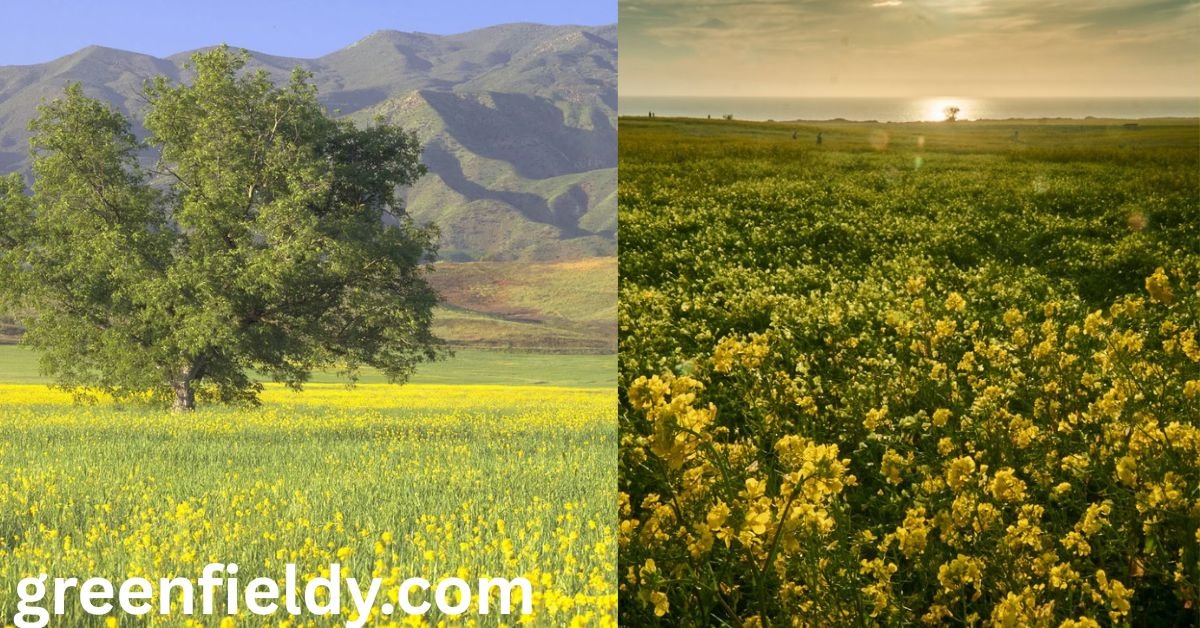
A mustard field refers to land where mustard plants are grown primarily for seeds, oil, and sometimes leafy greens. These fields bloom during late winter and early spring, covering the land with golden blossoms. Farmers prefer mustard because it grows well in moderate climates and requires relatively low input compared to other crops.
Climate and Soil Requirements
Mustard thrives in cool and dry weather. Loamy and well-drained soils are ideal for healthy plant growth. A properly managed mustard field benefits from balanced nutrients and good moisture control. Excess water can damage roots, while dry conditions during flowering help improve seed quality.
Sowing Season and Growth Cycle
The sowing season usually begins in October or November. Seeds germinate quickly, and plants mature within three to four months. During this time, a mustard field passes through vegetative growth, flowering, and seed formation stages. Timely sowing ensures better yield and reduces pest risks.
Importance of Mustard in Agriculture
Mustard is an essential oilseed crop. It supports crop rotation systems by improving soil health and breaking pest cycles. A mustard field also provides nectar for bees, helping pollination and honey production. This makes mustard beneficial beyond direct crop value.
Economic Value for Farmers
For small and medium farmers, mustard offers reliable income. The seeds are processed into cooking oil, while by-products are used as animal feed. A well-maintained mustard field can produce consistent returns with lower production costs, making it attractive in resource-limited areas.
Cultural and Scenic Significance
In many regions, mustard fields are linked with culture, festivals, and local traditions. Their vibrant color often appears in art, poetry, and photography. Tourists frequently visit rural areas during flowering season to experience the charm of endless yellow landscapes.
Common Challenges in Mustard Farming
Despite its resilience, mustard faces challenges such as aphid attacks, fungal diseases, and climate fluctuations. Poor management can reduce productivity. Farmers must monitor pests regularly and apply eco-friendly control methods to protect the mustard field without harming the environment.
Sustainable Farming Practices
Sustainable techniques like organic fertilizers, crop rotation, and integrated pest management help maintain long-term productivity. These methods reduce chemical dependence and improve soil fertility. A sustainable mustard field supports both environmental balance and farmer profitability.
Future of Mustard Cultivation
With rising demand for edible oils and natural farming practices, mustard cultivation is expected to grow. Improved seed varieties and modern farming methods can increase yield and resistance. The future of the mustard field looks promising as agriculture shifts toward sustainability.
Frequently Asked Questions (FAQs)
Q1: Why is mustard grown mainly in winter?
Mustard prefers cool temperatures, which support healthy growth and better seed development.
Q2: How long does it take for mustard to mature?
Most mustard crops mature within 90 to 120 days after sowing.
Q3: Is mustard farming profitable?
Yes, due to low input costs and steady market demand, mustard farming can be profitable for farmers.
Q4: What are the main uses of mustard seeds?
They are used for cooking oil, spices, medicines, and animal feed.
Q5: Can mustard be grown organically?
Yes, mustard adapts well to organic farming with proper pest and soil management.
Conclusion
A mustard field is more than just farmland; it represents agricultural sustainability, cultural beauty, and economic opportunity. With suitable climate conditions, careful management, and modern practices, mustard cultivation can deliver long-term benefits. As demand for natural oils and eco-friendly farming increases, mustard will continue to hold an important place in global agriculture.
About the Author