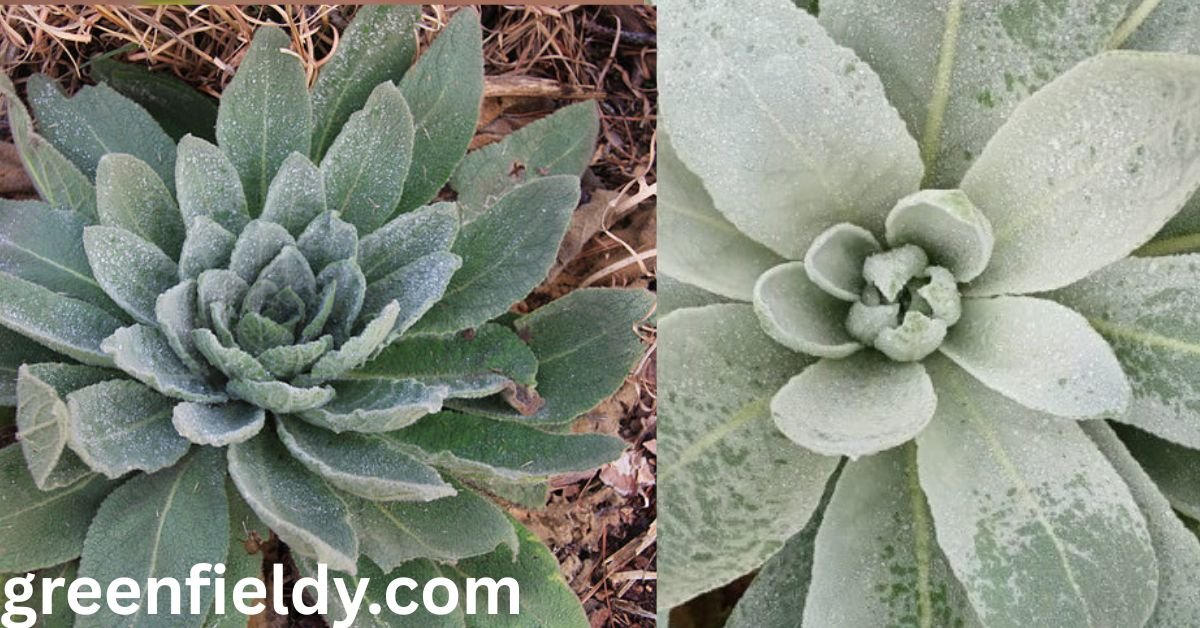
Mullein is a well-known plant because of its tall flowering stalk and soft, fuzzy leaves. However, many other plants closely resemble mullein and are often confused with it. These Mullein Look Alikes Plants can differ greatly in their uses, safety, and ecological roles. This guide explains the most common mullein look-alike plants, how to identify them, and why correct identification matters.
What Is Mullein and Why It’s Often Confused
Common mullein (Verbascum thapsus) is a biennial plant recognized for its woolly leaves and bright yellow flower spike. Because several wild plants share similar leaf texture, height, or growth patterns, mullein is frequently mistaken for other species. Understanding these similarities is the first step to avoiding confusion.
Key Features of True Mullein
Before exploring Mullein Look Alikes Plants, it helps to know what makes mullein unique. True mullein has:
- Large, velvety gray-green leaves
- A single tall central stalk in its second year
- Small yellow flowers densely packed along the stem
These traits together help distinguish it from similar plants.
Lamb’s Ear: A Soft and Common Look Alike
Lamb’s ear closely resembles mullein due to its thick, fuzzy leaves. However, it typically stays low to the ground and is often grown as an ornamental plant. Unlike mullein, lamb’s ear does not produce a tall flowering spike, making mature plants easier to tell apart.
Common Foxglove and Its Visual Similarities
Foxglove is another plant often included among Mullein Look Alikes Plants. While both plants can grow tall and produce flower spikes, foxglove flowers are tubular and usually purple or pink. Foxglove leaves are less fuzzy and the plant is toxic, which makes correct identification especially important.
Comfrey: Broad Leaves That Cause Confusion
Comfrey shares mullein’s broad leaf shape and upright growth. However, comfrey leaves feel rough rather than soft, and its flowers grow in clusters instead of a single tall spike. Comfrey is commonly found in moist soil, while mullein prefers dry, disturbed areas.
Stachys Species and Other Fuzzy Plants
Several plants in the Stachys genus resemble mullein at first glance. These Mullein Look Alikes Plants have hairy leaves and a similar color tone. The key difference lies in leaf size and stem structure, as Stachys plants usually remain shorter and bushier.
Differences in Habitat and Growth Patterns
Mullein thrives in dry, sunny locations such as roadsides and fields. Many look-alike plants prefer gardens, woodland edges, or moist soil. Observing where the plant grows can provide strong clues to its true identity.
Why Correct Identification Matters
Mistaking mullein for other plants can lead to problems, especially for foragers or herbal users. Some Mullein Look Alikes Plants may be toxic or unsuitable for medicinal use. Accurate identification ensures safety and helps protect native ecosystems.
Tips for Identifying Mullein Look Alikes Plants
To correctly identify similar plants:
- Check leaf texture closely
- Observe flower color and shape
- Note plant height and stem structure
- Consider the surrounding environment
Using multiple characteristics together is more reliable than relying on one feature alone.
Final Thoughts on Mullein Look Alikes Plants
Mullein is easy to recognize once you know its defining traits, but its look-alikes can still cause confusion. By learning about common Mullein Look Alikes Plants, their differences, and habitats, you can confidently identify plants and avoid mistakes. Careful observation is the key to safe and accurate plant identification
Frequently Asked Questions (FAQs)
1. What are Mullein Look Alikes Plants?
Mullein Look Alikes Plants are species that closely resemble common mullein in leaf shape, texture, or growth pattern. These plants may look similar at first glance but differ in flowers, habitat, and uses.
2. Are all mullein look-alike plants safe to use?
No. Some Mullein Look Alikes Plants, such as foxglove, are toxic. This is why correct identification is essential before using any plant for medicinal or herbal purposes.
3. How can I quickly tell true mullein from similar plants?
True mullein has very soft, velvety leaves and a single tall flower spike with small yellow flowers. Checking leaf texture, flower color, and plant height together helps confirm identification.
4. Where are mullein and its look-alikes commonly found?
Mullein usually grows in dry, sunny, disturbed areas like roadsides. Many look-alike plants prefer gardens, moist soil, or partially shaded environments.
5. Why do so many plants resemble mullein?
Many plants develop fuzzy leaves or upright growth as a survival strategy against heat, insects, or water loss. This natural adaptation results in several Mullein Look Alikes Plants.
Conclusion
Understanding Mullein Look Alikes Plants is important for anyone interested in gardening, foraging, or plant identification. While mullein has distinct features, several plants share similar appearances and can easily cause confusion. By observing leaf texture, flower structure, growth habit, and habitat, you can accurately identify mullein and distinguish it from its look-alikes. Careful identification not only ensures safety but also deepens your appreciation of plant diversity and nature’s subtle details
About the Author