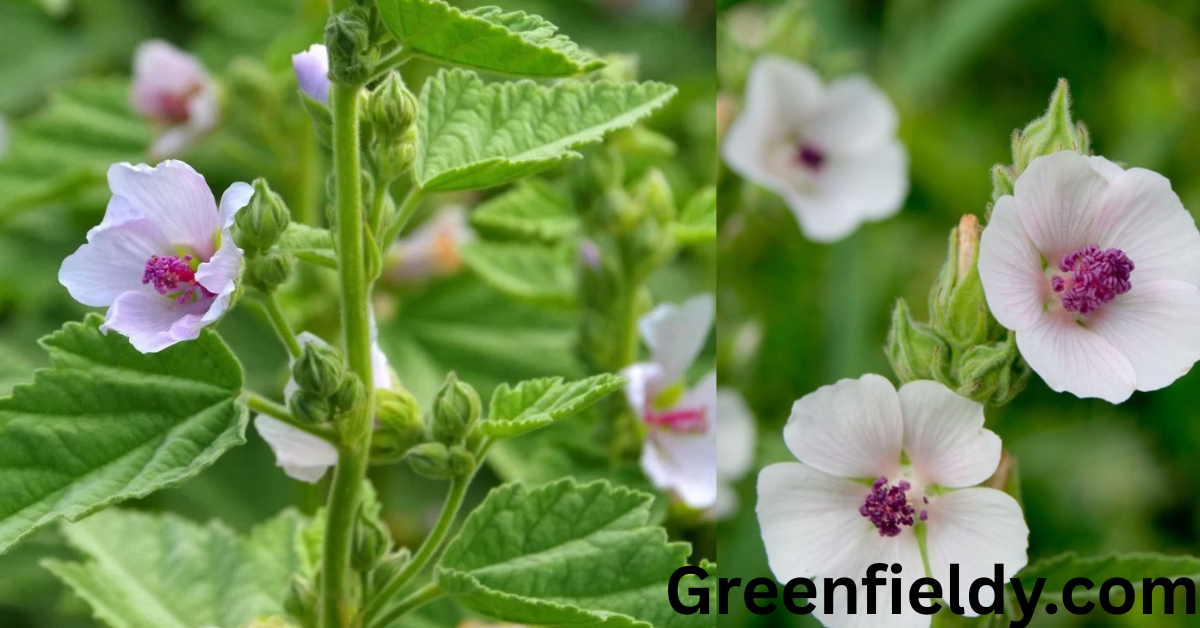
Growing marshmallow plants can be rewarding for gardeners who enjoy cultivating useful herbs and supporting a balanced garden ecosystem. Choosing the right marshmallow companion plants helps improve plant health, attract beneficial insects, and make better use of garden space. This guide explains how companion planting works with marshmallow and which plants grow best alongside it.
Introduction to Marshmallow Plants
The marshmallow plant (Althaea officinalis) is a perennial herb known for its medicinal roots and soft pink flowers. It grows well in moist soil and sunny areas. Gardeners often grow it for herbal remedies, pollinator support, and ornamental value.
Because it grows tall and has deep roots, marshmallow benefits from thoughtful companion planting. Selecting the right marshmallow companion plants can support soil health, reduce pests, and encourage stronger growth.
What Is Companion Planting?
Companion planting is a gardening technique where different plants are grown near each other for mutual benefits. Some plants improve soil nutrients, while others repel pests or attract beneficial insects.
When applied to marshmallow companion plants, this method helps create a natural balance in the garden. Instead of relying on chemicals, plants support each other through their natural characteristics.
Benefits of Marshmallow Companion Plants
Using the right companion plants offers several advantages:
- Improved soil fertility through nitrogen-fixing plants
- Better pest control with natural insect-repelling herbs
- Stronger pollination from flowers that attract bees and butterflies
- Efficient space use by combining plants with different growth habits
These benefits make marshmallow companion plants an important strategy for gardeners who want a healthier and more productive garden.
Click The Latest Arugula
Best Herbs to Grow with Marshmallow
Herbs are excellent companions for marshmallow because many of them attract pollinators or deter pests.
Chamomile is often planted nearby because it improves soil conditions and attracts beneficial insects.
Lemon balm works well because it grows in similar conditions and helps bring pollinators to the garden.
Mint can also grow near marshmallow, although it should be controlled because it spreads quickly.
These herbs complement the growth of marshmallow companion plants by creating a more balanced environment.
Vegetables That Pair Well with Marshmallow
Certain vegetables grow well near marshmallow plants and benefit from the same soil conditions.
Beans and peas help improve soil fertility because they fix nitrogen in the soil.
Leafy greens such as lettuce or spinach can grow in partial shade created by taller marshmallow plants.
Carrots are also suitable companions since their roots grow at a different soil level.
Planting these vegetables with marshmallow companion plants can help maximize garden productivity.
Flowers That Support Marshmallow Growth
Flowering plants play an important role in companion planting because they attract pollinators and beneficial insects.
Calendula attracts pollinators and may help deter certain pests.
Yarrow improves biodiversity in the garden and supports beneficial insects.
Echinacea grows well in similar sunlight conditions and adds visual interest.
These flowers make excellent marshmallow companion plants while also improving the overall appearance of the garden.
Plants to Avoid Growing Near Marshmallow
Not every plant grows well next to marshmallow. Some species compete for nutrients or grow too aggressively.
Large nutrient-hungry plants such as heavy-feeding vegetables may compete with marshmallow roots. Plants that prefer very dry soil may also struggle near marshmallow because it prefers moist conditions.
Understanding these limitations helps gardeners choose the best marshmallow companion plants and avoid unnecessary competition.
Soil and Growing Conditions for Companion Planting
Successful companion planting begins with the right growing environment. Marshmallow plants prefer:
- Moist, well-drained soil
- Full sun to partial shade
- Slightly fertile soil with organic matter
When these conditions are maintained, marshmallow companion plants can grow together successfully without competing for resources.
Garden Layout Tips for Marshmallow Companion Plants
Planning the garden layout helps maximize the benefits of companion planting.
Place taller marshmallow plants toward the back of garden beds so they do not block sunlight from shorter plants. Vegetables that prefer partial shade can be planted nearby, while pollinator-friendly flowers can be spaced throughout the bed.
A thoughtful layout ensures marshmallow companion plants receive enough light, nutrients, and airflow.
Maintaining a Healthy Companion Garden
After planting, regular maintenance keeps the garden healthy.
Water plants consistently, especially during dry periods. Add compost to improve soil fertility and remove weeds that compete for nutrients. Monitoring for pests also helps maintain a balanced ecosystem.
With proper care, marshmallow companion plants can grow together in a thriving and productive garden.
FAQs
What are the best marshmallow companion plants?
Herbs like chamomile and lemon balm, vegetables such as beans and lettuce, and flowers like calendula are commonly recommended companions.
Do marshmallow plants attract pollinators?
Yes, marshmallow flowers attract bees and other pollinators, which can benefit nearby plants in the garden.
Can marshmallow grow with vegetables?
Yes, marshmallow can grow with several vegetables, especially nitrogen-fixing plants like beans and peas.
Do marshmallow plants need a lot of space?
They can grow fairly tall, so providing enough spacing helps prevent overcrowding and allows companion plants to grow properly.
Conclusion
Growing the right marshmallow companion plants can significantly improve the health and productivity of a garden. By combining herbs, vegetables, and pollinator-friendly flowers, gardeners create a balanced environment that supports soil fertility, natural pest control, and biodiversity.
With thoughtful planning and proper care, marshmallow plants can become a valuable part of a diverse and thriving garden ecosystem.
About the Author