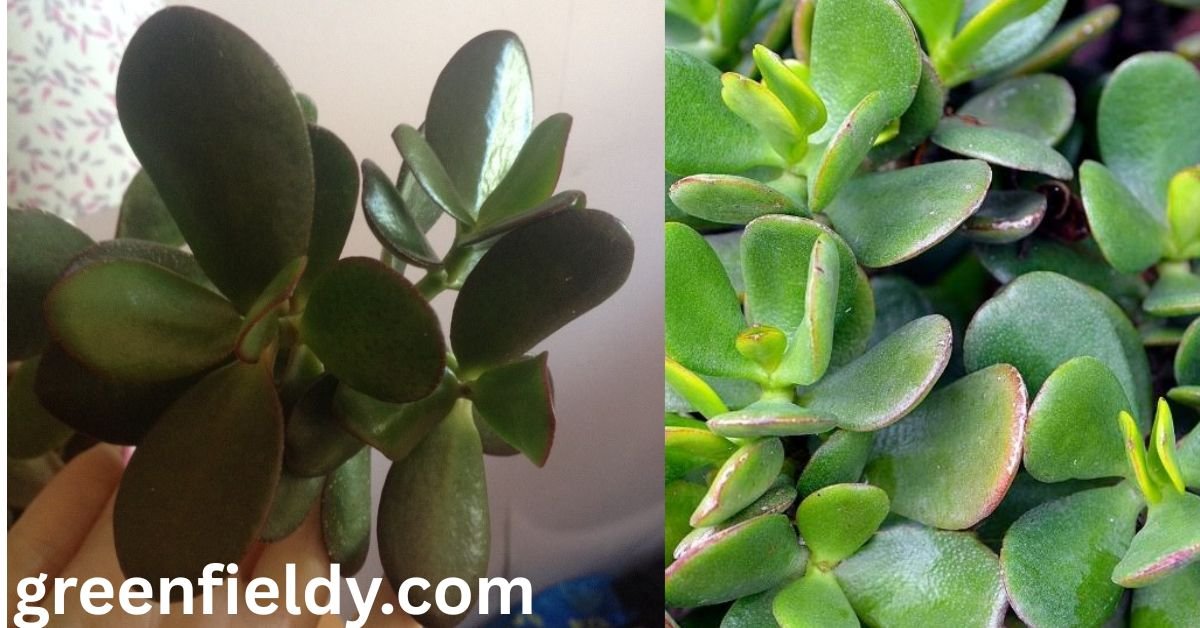
The jade plant is loved for its glossy green leaves and easygoing nature. So when you notice a jade plant turning purple, it can feel like your calm houseplant has suddenly changed moods. The good news is that purple leaves are not always a bad sign. Sometimes they are a natural response, and sometimes they are a gentle cry for help. This guide explains everything clearly, without distractions or irrelevant details.
Understanding the Natural Color of a Jade Plant
A healthy jade plant normally has thick, oval-shaped green leaves. In ideal indoor conditions, the color stays consistent and vibrant. However, jade plants can show slight color changes depending on light, temperature, and stress. A jade plant turning purple does not automatically mean disease. It is often a reaction rather than a permanent condition.
Why Is Your Jade Plant Turning Purple?
The most common reason for a jade plant turning purple is stress. Stress responses in plants are similar to defense mechanisms. When conditions change suddenly, the plant produces pigments called anthocyanins. These pigments create red, purple, or even pink shades on the leaves, especially along the edges.
Sunlight Exposure and Purple Jade Leaves
Bright sunlight is one of the main triggers. Jade plants enjoy light, but intense direct sun can cause leaf color changes. When exposed to strong sunlight for long hours, a jade plant may turn purple as a protective response. In this case, the color change is not harmful. Many gardeners even find the purple tint attractive.
Temperature Stress and Seasonal Changes
Cold temperatures are another major factor. If your jade plant is near a window during winter, chilly drafts can cause a jade plant turning purple. Jade plants prefer warm conditions and struggle when temperatures drop below their comfort zone. Sudden temperature changes can also lead to purpling.
Watering Issues and Leaf Discoloration
Improper watering plays a big role. Overwatering can damage roots, while underwatering can stress the plant. Both situations may result in a jade plant turning purple. Dry soil for long periods often causes leaf edges to darken first, followed by a purple or reddish tone.
Nutrient Deficiency and Soil Problems
Lack of nutrients, especially phosphorus, can contribute to purple leaves. If your jade plant has been in the same soil for years, nutrients may be depleted. Poor soil drainage can also worsen the problem. A healthy root system needs loose, well-draining soil to function properly.
Is a Purple Jade Plant Healthy or Unhealthy?
This depends on context. If the jade plant turning purple happens gradually and the leaves remain firm, it is usually not dangerous. If the leaves become soft, wrinkled, or start falling, then the purple color is a warning sign. Observing overall plant health is more important than focusing on color alone.
How to Fix a Jade Plant Turning Purple
Start with small adjustments. Move the plant to bright but indirect light. Protect it from cold drafts and extreme heat. Check the soil moisture before watering and ensure excess water drains freely. These simple changes often help the plant return to its natural green shade.
Preventing Purple Leaves in the Future
Consistency is key. Keep your jade plant in a stable environment with moderate sunlight, warm temperatures, and a regular watering routine. Use a cactus or succulent soil mix and repot every few years. Preventing stress is the best way to avoid a jade plant turning purple again.
When to Worry and When to Relax
If your jade plant is growing well, producing new leaves, and feels firm to the touch, there is no need to panic. A jade plant turning purple is often just adapting. However, if you notice rapid leaf drop, mushy stems, or persistent discoloration, it is time to reassess care conditions more carefully.
Final Thoughts
A jade plant turning purple is not always a problem. In many cases, it is simply the plant reacting to light, temperature, or water changes. By understanding these signals and making gentle adjustments, you can keep your jade plant healthy, balanced, and beautiful for years to come.
Frequently Asked Questions (FAQs) About Jade Plant Turning Purple
1. Is jade plant turning purple a bad sign?
Not always. A jade plant turning purple can be a natural response to bright sunlight or mild stress. If the leaves are firm and healthy, the color change is usually harmless.
2. Can too much sunlight cause jade plant leaves to turn purple?
Yes. Strong or prolonged direct sunlight can trigger purple or reddish tones in jade plant leaves. This happens because the plant produces protective pigments when exposed to intense light.
3. Does cold weather make a jade plant turn purple?
Yes. Low temperatures and cold drafts can stress the plant, leading to purple discoloration. Jade plants prefer warm, stable indoor temperatures.
4. Will purple jade leaves turn green again?
In many cases, yes. When light, temperature, or watering conditions improve, a jade plant turning purple may slowly return to its normal green color, especially in new growth.
5. Can overwatering cause jade plant turning purple?
Overwatering can damage roots and stress the plant, which may result in color changes, including purple leaves. Always let the soil dry slightly between watering.
Conclusion
A jade plant turning purple is usually a response to changes in its environment rather than a serious problem. Factors like bright sunlight, temperature stress, watering habits, and nutrient levels all influence leaf color. When the plant remains firm, upright, and continues to grow, the purple tint is often harmless and temporary. By providing consistent light, proper watering, warm temperatures, and well-draining soil, you can help your jade plant maintain its natural beauty. Understanding these signals allows you to care for your plant with confidence and keep it healthy for the long term.
About the Author