Introduction
Walk into any kitchen, and you will likely find rice sitting quietly in a jar, waiting to become part of a comforting meal. Yet a surprisingly common question pops up among curious learners and food enthusiasts alike: Is Rice a Vegetable? At first glance, it seems logical. After all, it comes from a plant. But the real answer lies deeper in botanical classification, agriculture, and nutrition science. Understanding what rice truly is can help you make smarter food choices and appreciate how this humble staple feeds more than half the world.
What Exactly Is Rice?
Rice is the edible seed of a plant known scientifically as Oryza sativa. It belongs to the grass family, making it very different from vegetables like carrots or spinach. Farmers grow rice in flooded fields called paddies, where the plant thrives in warm, wet conditions.
Because it is harvested as a seed and processed for consumption, rice is categorized as a grain rather than a vegetable. This distinction is important in both culinary and scientific contexts.
Understanding the Botanical Classification
To answer the question Is Rice a Vegetable?, we must look at how plants are classified. Vegetables typically include edible roots, stems, leaves, or flowers. Examples include broccoli (flower), potatoes (tuber), and lettuce (leaf).
Rice, however, is a seed produced by a flowering grass. In botanical terms, seeds from grasses are classified as cereal crops. Therefore, rice fits squarely into the grain category, not the vegetable group.
Grain vs. Vegetable: What Is the Difference?
The confusion often arises because both grains and vegetables are plant-based foods. However, they serve different roles:
- Grains: Seeds harvested from grasses, rich in carbohydrates
- Vegetables: Edible plant parts such as roots, stems, and leaves
- Cereal crops: Cultivated specifically for their edible seeds
Rice is grown for its energy-packed seed, making it nutritionally and agriculturally aligned with wheat, corn, and barley rather than with vegetables.
Why People Sometimes Think Rice Is a Vegetable
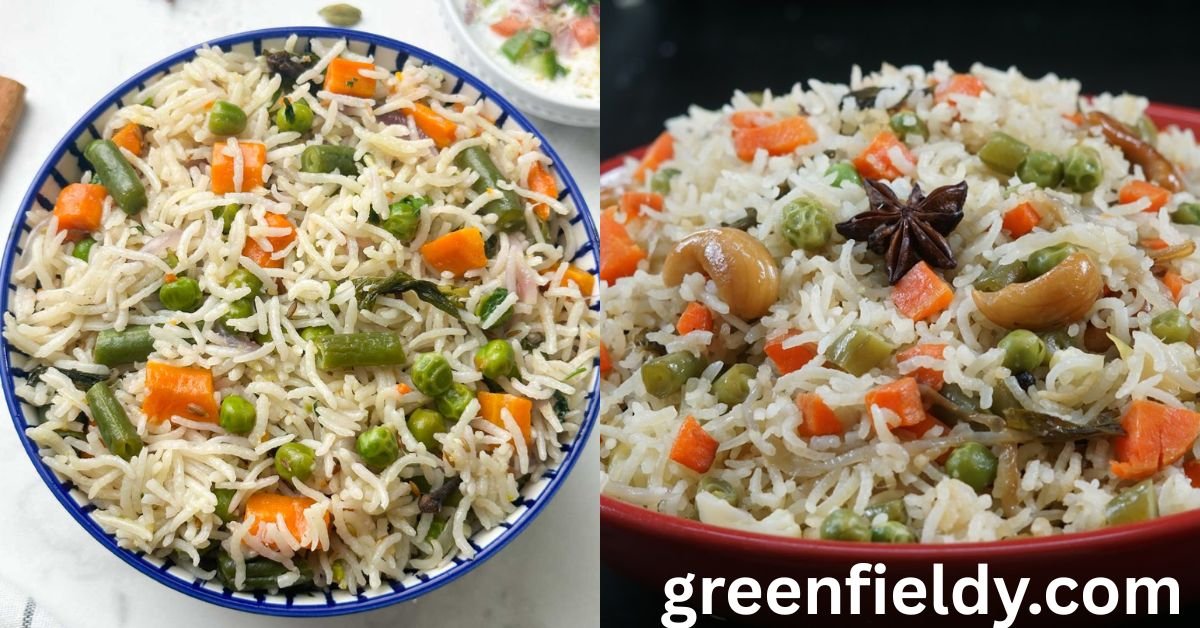
Many people assume that anything grown in soil automatically qualifies as a vegetable. Culinary habits also blur the lines. Rice is often served alongside vegetables, mixed into stir-fries, or used as a base for plant-based meals.
Another reason for the confusion is that dietary guidelines encourage eating more plant-based food, and rice certainly qualifies as plant-derived. Still, being plant-based does not automatically make something a vegetable.
The Role of Rice as a Cereal Crop
Rice is one of the most important cereal crops in global agriculture. It feeds billions daily and is especially central to diets across Asia, Africa, and parts of Europe.
Farmers cultivate different varieties depending on climate and soil conditions. Its reliability, long shelf life, and adaptability have made rice a cornerstone of food security worldwide.
This agricultural importance further reinforces why rice is recognized as a grain rather than a vegetable.
Nutritional Profile: What Does Rice Provide?
From a nutrition perspective, rice is valued primarily for its carbohydrates, which supply the body with energy. It also contains small amounts of protein and essential minerals.
Here is what a typical serving offers:
- Fast and steady energy
- Low fat content
- Naturally gluten-free
- Easy digestion
While vegetables often provide higher fiber and vitamins, rice plays a different but equally important dietary role.
Whole Grains vs. Refined Rice
Not all rice is created equal. The difference between whole grains and refined grains significantly affects nutrition.
Whole grain rice, such as brown rice, retains the bran and germ. This means more fiber, vitamins, and minerals.
Refined rice, like white rice, has these layers removed for a softer texture and longer storage life. Though still beneficial, it contains fewer nutrients than its whole counterpart.
Choosing whole grains more often can support heart health and improve digestion.
How Rice Fits Into a Balanced Diet
Even though the answer to Is Rice a Vegetable? is no, it still belongs in a healthy eating pattern when consumed in moderation.
Pairing rice with vegetables, lean proteins, and healthy fats creates a well-rounded meal. Think of rice as the stage, while colorful vegetables and proteins perform the nutritional symphony.
Balance, rather than elimination, is the key to smart eating.
Plant-Based Food Does Not Always Mean Vegetable
The modern shift toward plant-based food has expanded how people view ingredients. Nuts, seeds, legumes, and grains all come from plants but fall into separate categories.
Rice is plant-based, vegan-friendly, and versatile. However, scientifically and nutritionally, it remains a grain. Recognizing these distinctions helps prevent dietary misunderstandings.
So, Is Rice a Vegetable? The Final Verdict
Let us settle it clearly: Rice is not a vegetable. It is a grain, specifically a cereal crop harvested for its edible seed. While it shares a plant origin with vegetables, its botanical classification, nutritional makeup, and agricultural purpose firmly place it in the grain family.
Understanding this difference is less about labeling and more about knowing what fuels your body.
Frequently Asked Questions (FAQs)
1. Is rice considered a vegetable or a grain?
Rice is considered a grain because it is the edible seed of a grass plant classified under cereal crops.
2. Can rice count toward daily vegetable intake?
No. Dietary guidelines separate grains from vegetables, so rice does not replace the need for nutrient-rich vegetables.
3. Is brown rice healthier than white rice?
Brown rice is generally more nutritious because it is a whole grain containing more fiber, vitamins, and minerals than refined white rice.
Conclusion
The question Is Rice a Vegetable? may sound simple, but it opens the door to a fascinating look at how foods are classified. Rice is a grain that provides essential carbohydrates and supports global nutrition. Vegetables deliver fiber and vitamins, while grains like rice offer energy. Together, they create the foundation of a balanced diet.
Next time you scoop rice onto your plate, you will know exactly where it belongs and why it matters.
About the Author