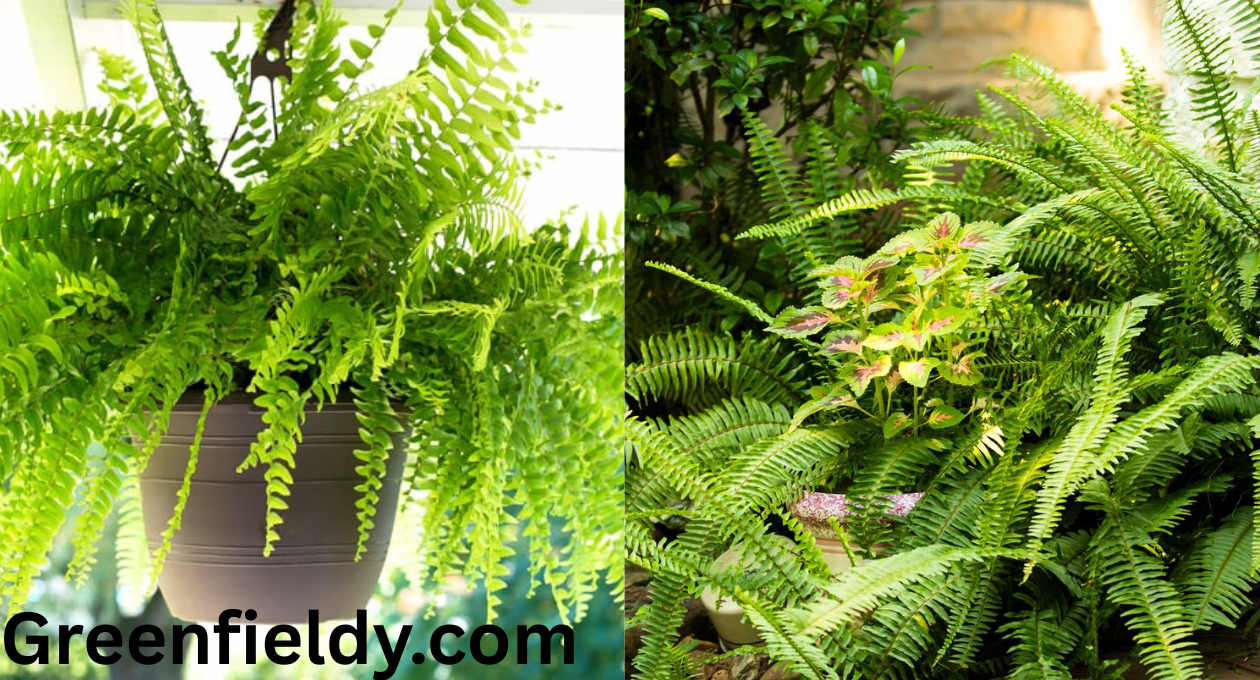
Ferns are timeless plants that bring soft texture and rich greenery to outdoor spaces. Understanding how to care for ferns outside is essential if you want them to thrive year after year. This complete guide covers everything you need to know—from sunlight and watering to seasonal care—without unnecessary or irrelevant details.
Understanding Outdoor Ferns and Their Natural Habitat
To master how to care for ferns outside, it helps to know where they naturally grow. Ferns originate from forests and shaded areas where moisture, filtered light, and rich soil are common. Mimicking these conditions outdoors creates the best environment for healthy growth.
Choosing the Right Location for Outdoor Ferns
Location plays a critical role in how well ferns perform outdoors. Most ferns prefer partial to full shade, protected from harsh afternoon sun. Morning sunlight is usually safe, while strong midday rays can scorch delicate fronds.
Ideal Soil Conditions for Fern Growth
Well-draining, nutrient-rich soil is essential when learning how to care for ferns outside. Soil should retain moisture without becoming waterlogged. Adding organic matter like compost or leaf mold improves both drainage and fertility, helping roots develop properly.
Watering Ferns the Right Way Outdoors
Consistent moisture is key to fern care. Outdoor ferns should be watered deeply, especially during dry periods. The soil should remain evenly moist, but not soggy. Mulching helps reduce evaporation and keeps roots cool.
Managing Sunlight and Shade Exposure
While ferns are shade-loving plants, not all shade is equal. Bright, indirect light is ideal. Too much sun causes yellowing and crispy fronds, while deep, constant shade may slow growth. Proper light balance is a core principle of how to care for ferns outside.
Feeding and Fertilizing Outdoor Ferns
Ferns are not heavy feeders, but occasional nutrition supports lush foliage. Use a balanced, diluted fertilizer during the growing season. Over-fertilizing can damage roots, so moderation is essential for long-term health.
Mulching to Protect and Nourish Ferns
Mulching is a simple yet powerful step in outdoor fern care. Organic mulch helps maintain soil moisture, regulates temperature, and slowly enriches the soil as it breaks down. This closely mirrors a fern’s natural forest floor environment.
Seasonal Care and Weather Protection
Understanding how to care for ferns outside includes adjusting care with the seasons. In hot summers, increase watering and shade protection. In colder months, mulch heavily to insulate roots and protect them from frost damage.
Pruning and Maintaining Healthy Fronds
Regular maintenance keeps outdoor ferns attractive and vigorous. Remove dead or damaged fronds to encourage fresh growth and improve airflow. Avoid cutting healthy fronds unnecessarily, as they support photosynthesis and plant strength.
Common Problems and How to Fix Them
Outdoor ferns may face issues such as dry fronds, slow growth, or discoloration. Most problems stem from improper watering, excessive sunlight, or poor soil conditions. Correcting these factors usually restores plant health quickly.
FAQs
1. How often should I water ferns outside?
Outdoor ferns should be watered regularly to keep the soil consistently moist. In warm or dry weather, watering may be needed several times a week, while cooler conditions require less frequent watering.
2. Can ferns survive outdoors year-round?
Yes, many fern varieties can survive outdoors year-round if they are suited to your climate. Proper mulching and seasonal protection help ferns tolerate cold or heat effectively.
3. Do outdoor ferns need direct sunlight?
No, most ferns do not need direct sunlight. They grow best in partial to full shade with bright, indirect light. Too much direct sun can damage the fronds.
4. What type of soil is best for outdoor ferns?
Loose, well-draining soil rich in organic matter is best. Compost or leaf mold improves moisture retention and supports healthy root development, which is essential for how to care for ferns outside.
5. Should I fertilize my outdoor ferns?
Yes, but lightly. A diluted, balanced fertilizer applied during the growing season is sufficient. Over-fertilizing can harm fern roots and reduce plant health.
Conclusion
Mastering how to care for ferns outside means providing shade, moisture, and nutrient-rich soil that mirrors their natural environment. With proper placement, watering, and seasonal care, outdoor ferns will reward you with lush, healthy growth and long-lasting beauty.
About the Author