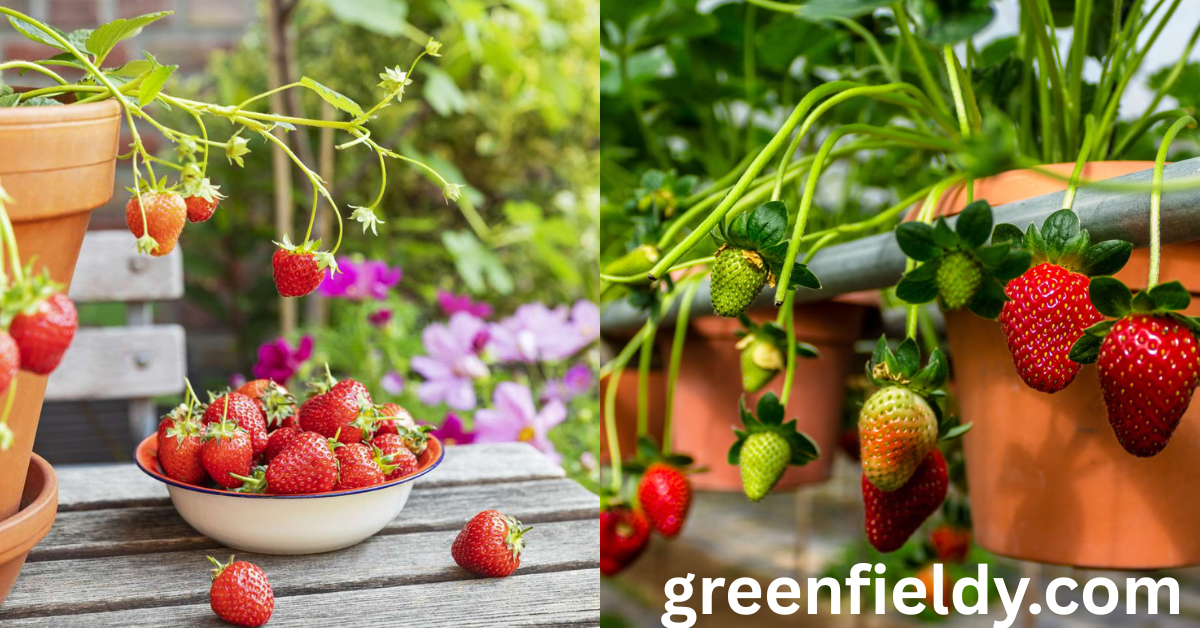
Introduction to Growing Strawberries in Containers
Growing fresh strawberries at home no longer requires a large garden or open land. Growing Strawberries in Containers has become a popular solution for urban gardeners, balcony owners, and anyone with limited space. Containers offer flexibility, better control over soil conditions, and fewer pest problems. With the right approach, you can enjoy sweet, juicy strawberries almost anywhere.
Why Choose Containers for Strawberry Plants
One of the biggest advantages of Growing Strawberries in Containers is mobility. You can move pots to follow sunlight, protect plants from harsh weather, or shift them indoors when needed. Containers also reduce weed growth and help prevent soil-borne diseases. This method is ideal for beginners because it allows close monitoring of plant health.
Best Strawberry Varieties for Container Gardening
Not all strawberry plants perform equally well in pots. Day-neutral and everbearing varieties are best suited for containers because they produce fruit over a longer period. June-bearing varieties can also work but need more space. Choosing the right variety improves success when Growing Strawberries in Containers and ensures consistent harvests.
Choosing the Right Container Size and Type
The container plays a crucial role in plant growth. A pot with a depth of at least 8 to 10 inches allows roots to spread comfortably. Hanging baskets, grow bags, and strawberry towers are also effective. Drainage holes are essential, as excess water can damage roots and reduce yields during Growing Strawberries in Containers.
Ideal Soil Mix for Healthy Strawberry Growth
Strawberries thrive in well-draining, nutrient-rich soil. A mix of garden soil, compost, and perlite or coco peat works well. The soil should retain moisture without becoming soggy. Maintaining proper soil quality is a key factor in successful Growing Strawberries in Containers.
Sunlight and Water Requirements
Strawberry plants require at least six to eight hours of direct sunlight daily. Place containers in a bright location such as a balcony or rooftop. Water regularly, keeping the soil moist but not waterlogged. Consistent watering supports flowering and fruiting when Growing Strawberries in Containers.
Fertilizing Strawberries in Containers
Because nutrients wash out of containers faster, regular feeding is necessary. Use a balanced organic fertilizer every two to three weeks. Avoid excessive nitrogen, as it promotes leaf growth over fruit. Proper fertilization directly impacts fruit quality and quantity in Growing Strawberries in Containers.
Common Problems and How to Prevent Them
Pests like aphids and spider mites may appear, but container plants are easier to manage. Regular inspection, proper spacing, and good airflow help prevent disease. Mulching the soil surface keeps fruits clean and reduces moisture loss, improving results when Growing Strawberries in Containers.
Harvesting and Maintaining Strawberry Plants
Strawberries are ready to harvest when they turn fully red. Pick them gently to avoid damaging the plant. After harvesting, remove dead leaves and runners if space is limited. Continuous care ensures long-term success in Growing Strawberries in Containers.
FAQs and Conclusion
Q1: Can strawberries grow indoors in containers?
Yes, strawberries can grow indoors if they receive sufficient sunlight or supplemental grow lights.
Q2: How long do container strawberries take to produce fruit?
Most plants begin producing fruit within 8 to 12 weeks, depending on the variety.
Q3: How many plants can I grow in one container?
One strawberry plant per 8-inch pot is ideal for healthy growth and good yields.
Q4: Do container strawberries need pruning?
Light pruning of runners and dead leaves helps focus energy on fruit production.
Conclusion
Growing Strawberries in Containers is an efficient and rewarding gardening method for small spaces. With the right container, proper soil, adequate sunlight, and consistent care, anyone can enjoy fresh strawberries at home. This approach not only saves space but also offers greater control over plant health, making it a practical choice for modern gardeners.
About the Author