Introduction to Growing Ground Cherries
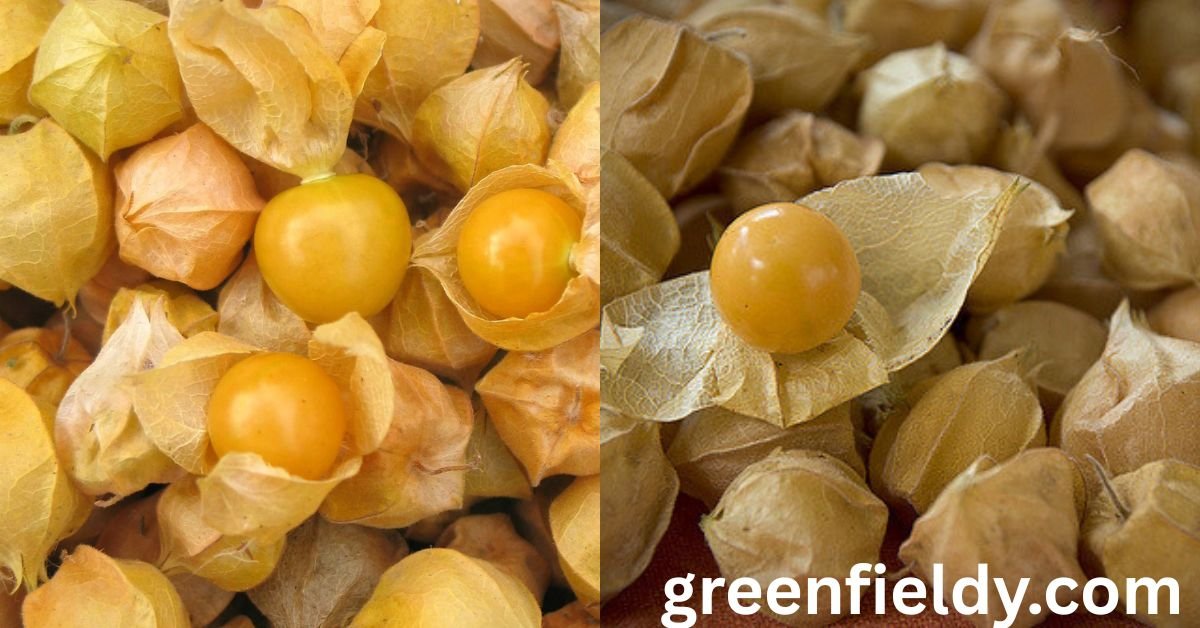
Growing Ground Cherries is becoming popular among home gardeners because these small, sweet fruits are easy to grow and highly productive. Ground cherries, also known as husk tomatoes, produce golden fruits wrapped in papery husks. Their flavor is a unique blend of pineapple, vanilla, and tomato, making them perfect for fresh eating, jams, and desserts. With the right care, even beginners can successfully grow this rewarding plant.
What Are Ground Cherries?
Ground cherries belong to the Physalis family, the same group as tomatillos and cape gooseberries. The plants grow low to the ground and spread outward, producing lantern-like husks that protect the fruit. When ripe, the fruits fall naturally to the soil, which is why Growing Ground Cherries requires regular harvesting from the ground.
Best Climate and Growing Conditions
Growing Ground Cherries works best in warm climates with full sunlight. These plants thrive in:
- Temperatures between 65–85°F (18–29°C)
- At least 6–8 hours of direct sunlight daily
- Well-drained soil
They are sensitive to frost, so planting should begin after the last frost date in your region.
Soil Preparation for Healthy Plants
Proper soil preparation is essential for Growing Ground Cherries successfully. The ideal soil should be:
- Light and well-draining
- Slightly acidic to neutral (pH 6.0–7.0)
- Enriched with compost or organic matter
Avoid overly rich soil with excessive nitrogen, as this may produce more leaves and fewer fruits.
How to Plant Ground Cherries
You can start seeds indoors 6–8 weeks before the last frost or sow them directly outdoors once the weather warms.
Planting steps:
- Sow seeds ¼ inch deep.
- Space plants 18–24 inches apart.
- Water gently after planting.
Since Growing Ground Cherries results in spreading plants, giving them enough space helps improve airflow and productivity.
Watering and Fertilizing Tips
Consistent moisture is important for Growing Ground Cherries. Water plants regularly but avoid waterlogging.
Care tips:
- Keep soil evenly moist
- Use mulch to retain moisture
- Apply a balanced fertilizer once or twice during the season
Too much fertilizer can reduce fruit production, so moderate feeding is best.
Supporting and Managing Plant Growth
Although ground cherries grow low, they can spread widely. Using small cages or stakes helps keep fruits clean and makes harvesting easier. Pruning is usually not necessary, but removing damaged branches improves plant health. When Growing Ground Cherries, keeping the area weed-free also prevents competition for nutrients.
Harvesting Ground Cherries
Harvesting is one of the most exciting parts of Growing Ground Cherries. The fruits are ready when:
- The husk turns dry and papery
- The fruit drops to the ground
- The color changes to golden yellow
Collect fallen fruits daily to prevent spoilage. Ripe ground cherries can be stored at room temperature for several days.
Common Problems and Solutions
While Growing Ground Cherries is relatively easy, some issues may occur:
- Pests: Aphids and flea beetles can be controlled with neem oil or insecticidal soap.
- Overwatering: Causes root rot; ensure proper drainage.
- Poor fruiting: Often due to too much nitrogen or lack of sunlight.
Regular monitoring keeps plants healthy throughout the season.
Uses and Benefits of Ground Cherries
Ground cherries are versatile and nutritious. They are rich in vitamins A and C and antioxidants. Popular uses include:
- Fresh snacking
- Jams and preserves
- Pies and desserts
- Salads and salsas
Growing Ground Cherries at home ensures a fresh and organic supply for your kitchen.
FAQs
1. How long does it take to grow ground cherries?
Ground cherries typically mature in 70–90 days after transplanting.
2. Can ground cherries grow in containers?
Yes, Growing Ground Cherries in large containers works well if the pot has good drainage and full sunlight.
3. Do ground cherries come back every year?
They are annuals in most climates, but they may self-seed and regrow the following season.
4. Why are my ground cherries not producing fruit?
Lack of sunlight, excessive fertilizer, or overcrowding can reduce fruit production.
5. When should I harvest ground cherries?
Harvest when the husk is dry and the fruit has fallen to the ground.
Conclusion
Growing Ground Cherries is a simple and rewarding gardening experience for beginners and experienced growers alike. With proper sunlight, well-drained soil, and consistent care, these plants produce abundant sweet fruits throughout the season. Whether you enjoy them fresh or use them in recipes, adding ground cherries to your garden brings both flavor and productivity. Start Growing Ground Cherries today and enjoy a unique harvest straight from your backyard.
About the Author