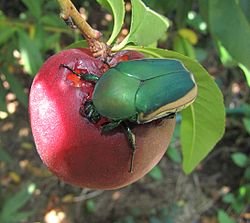
Introduction to Green Fruit Beetles
Green fruit beetles are eye-catching insects known for their shiny metallic green bodies and buzzing flight. These beetles are commonly seen in gardens, orchards, and areas where ripe fruit is present. The name green fruit beetles comes from their habit of feeding on soft, ripe fruits and plant materials. While their bright color makes them fascinating to observe, gardeners often notice them when fruit crops start ripening.
Physical Appearance and Identification
One of the easiest ways to recognize green fruit beetles is their striking color. They usually have a metallic green body with hints of bronze or yellow along the sides. Adult beetles are relatively large compared to many other garden insects and can grow about 2 to 3 centimeters long. Their strong wings allow them to fly quickly, producing a noticeable buzzing sound while moving between plants and fruits.
Click The Latest Carrot Shortage
Habitat and Distribution
Green June Beetle are typically found in warm regions where fruit-bearing plants grow abundantly. Gardens, farms, orchards, and compost-rich environments attract them because they provide both food and breeding grounds. These beetles prefer places with plenty of organic material such as fallen fruit, decaying vegetation, and moist soil.
Life Cycle of Green Fruit Beetles
Like many beetles, green fruit beetles pass through four main stages in their life cycle: egg, larva, pupa, and adult. The eggs are laid in soil rich in organic matter. After hatching, the larvae feed on decomposing plant material underground. As they grow, the larvae eventually pupate in the soil before emerging as adult beetles. This transformation process helps them adapt to different food sources during each stage of life.
Diet and Feeding Behavior
The diet of Green June Beetle mainly consists of ripe or overripe fruits. They are especially attracted to soft fruits such as peaches, figs, berries, and other sweet produce. Besides fruit, they may also feed on plant sap or damaged plant tissue. Because they prefer already ripened fruit, they are often noticed late in the growing season.
Role in the Ecosystem
Despite sometimes being considered pests, green fruit beetles also play a role in nature. Their larvae help break down organic matter in the soil, contributing to nutrient recycling. This process improves soil quality and supports plant growth. In this way, these beetles participate in the natural cycle of decomposition.
Signs of Green Fruit Beetle Activity
Gardeners may notice several signs that indicate the presence of green fruit beetles. Damaged fruit with large feeding holes is a common sign. Another clue is the sudden appearance of buzzing green insects flying around ripening crops. Fallen fruit on the ground can also attract them, increasing their activity in the area.
How Green June Beetle Affect Gardens and Orchards
In small numbers, green fruit beetles usually cause limited damage. However, when their population increases, they may harm fruit crops by feeding on ripe produce. This can reduce the quality of harvested fruit and make it unsuitable for sale or consumption. Farmers and gardeners often monitor fruit during peak ripening periods to minimize potential losses.
Natural Ways to Manage Green Fruit Beetles
There are several environmentally friendly methods to manage green fruit beetles. Removing fallen fruit from the ground helps reduce their attraction to the area. Gardeners also use fruit netting to protect crops from feeding beetles. Maintaining healthy soil and limiting excessive organic waste can also reduce breeding sites for larvae.
Prevention Tips for Future Infestations
Preventing large populations of green fruit beetles often involves good garden hygiene. Regularly collecting ripe fruit, keeping compost areas covered, and maintaining clean planting areas can discourage beetles from gathering. Monitoring plants during the fruiting season also helps detect early signs of activity before it becomes a larger problem.
FAQs
1. What are green fruit beetles?
Green fruit beetles are metallic green insects that feed on ripe or overripe fruits in gardens and orchards.
2. Are green fruit beetles harmful to plants?
They mostly feed on ripe fruit rather than healthy plant tissue, but large numbers can damage fruit crops.
3. Where are green fruit beetles commonly found?
They are commonly found in warm climates, orchards, gardens, and places with plenty of organic material.
4. What attracts green fruit beetles?
Ripe or fallen fruit, compost, and decaying plant matter strongly attract these beetles.
5. How can gardeners control green fruit beetles naturally?
Removing fallen fruit, protecting crops with netting, and maintaining garden cleanliness can help control their presence.
Conclusion
Green fruit beetles are colorful insects that often appear in gardens and orchards where ripe fruit is available. Although they can damage fruit crops, they also contribute to soil health through their larvae, which break down organic matter. Understanding the behavior, life cycle, and habitat of Green June Beetle helps gardeners manage them effectively while maintaining a balanced ecosystem.
About the Author