Guava is a popular tropical fruit known for its round shape, green skin, and fragrant pink or white flesh. However, many other fruits around the world closely resemble guava in appearance, texture, or plant structure. If you have ever seen a fruit and wondered whether it was guava or something similar, you are not alone.
This guide explores fruits that look like guava, explaining their similarities, differences, and unique characteristics. Understanding these fruits can help gardeners, farmers, and food enthusiasts identify them correctly.
Understanding Guava and Its Appearance
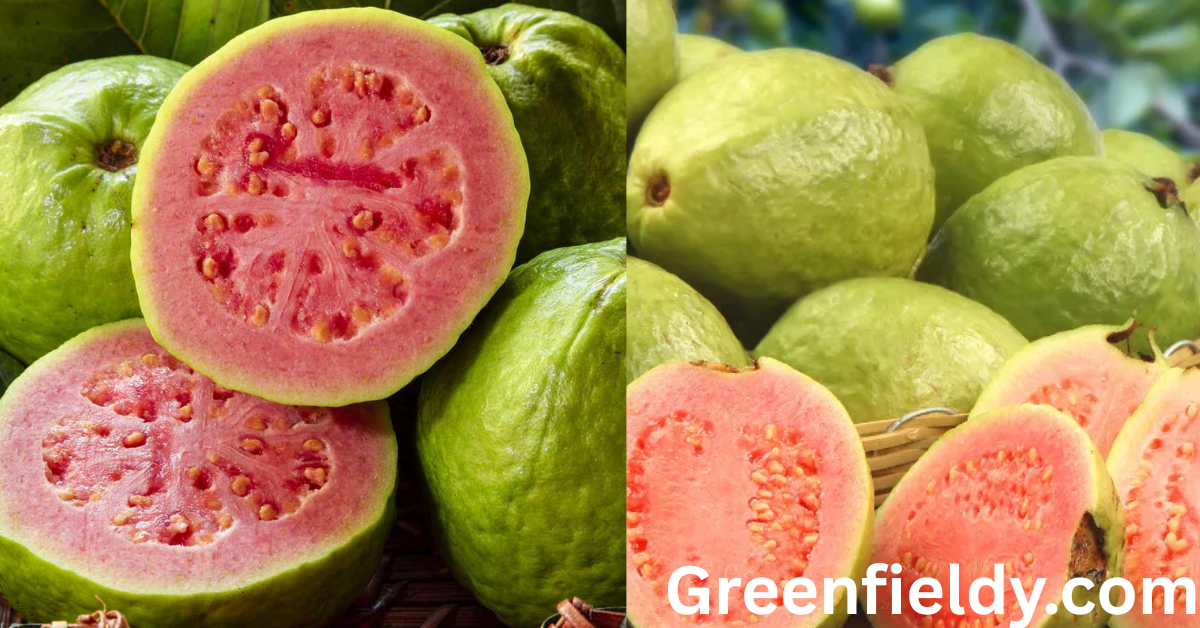
Before exploring fruits that look like guava, it is important to understand the characteristics of guava itself. Guava is usually round or oval with light green or yellowish skin. Inside, the flesh may be white, pink, or red and contains many small edible seeds.
The fruit grows on small tropical trees and has a sweet aroma. Because of its shape and skin texture, several other fruits are often mistaken for guava.
Is Eggplant a Fruit? The Hidden Thruth
Feijoa (Pineapple Guava)
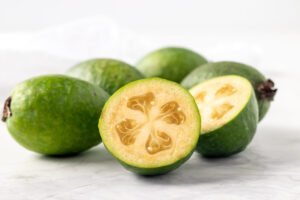
Feijoa is one of the most common fruits that resemble guava. It has a green oval shape and grows on shrubs or small trees.
The inside flesh is soft and slightly grainy, similar to guava. However, feijoa has a unique flavor that combines hints of pineapple, mint, and strawberry. This fruit is widely grown in warm climates and is often confused with guava because of its similar outer appearance.
Strawberry Guava
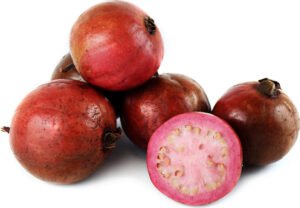
Strawberry guava is another fruit closely related to traditional guava. It is smaller in size and usually has red or purple skin.
Although it belongs to the same plant family, strawberry guava looks like a miniature version of common guava. The pulp inside is juicy and sweet, making it popular in jams and desserts.
Lemon Guava
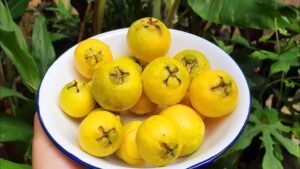
Lemon guava is a yellow variety that also falls into the category of fruits that look like guava. The fruit is round with smooth yellow skin and pale interior flesh.
Its flavor is sweeter and milder compared to regular guava. Because of its bright color and similar shape, many people mistake it for a different type of guava.
Wax Apple
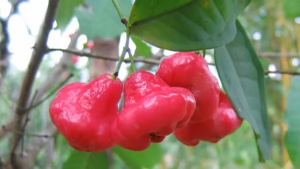
Wax apple is another tropical fruit sometimes mistaken for guava. It has smooth shiny skin and grows on medium-sized trees.
Although the shape is more bell-like, its green or red skin can resemble guava from a distance. The texture is crisp and watery rather than soft.
Rose Apple
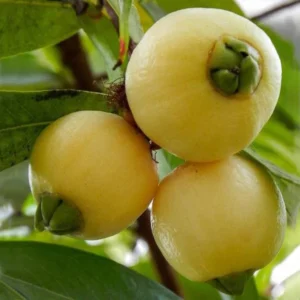
Rose apple also shares similarities with guava. It has thin skin and a light aroma similar to roses.
This fruit usually appears pale green or yellow and grows in tropical regions. While the shape can vary, the overall size and tree structure make it one of the fruits often confused with guava.
Jaboticaba
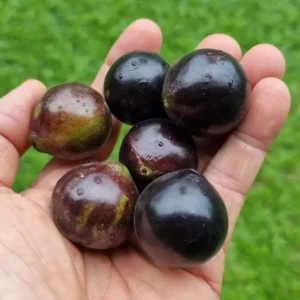
Jaboticaba is a unique fruit that grows directly on the trunk of its tree. While the color is usually dark purple, the size and round shape can make it resemble small guavas.
Inside, the pulp is juicy and sweet with a texture somewhat similar to guava. This fruit is commonly found in Brazil and other parts of South America.
Sapodilla
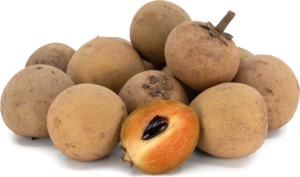
Sapodilla is slightly larger but sometimes included among fruits that look like guava because of its round shape and tree structure.
The outer skin is brown rather than green, which makes it easier to distinguish. The flesh is soft and caramel-flavored, giving it a completely different taste from guava.
Tropical Fruits Often Mistaken for Guava
In tropical markets, many fruits appear similar to guava because of their round shape and green skin. Farmers and buyers sometimes confuse them when they are unripe.
These fruits may belong to the same plant family or simply share similar growing conditions. Proper identification usually requires looking at the fruit’s aroma, seed pattern, and internal color.
How to Identify Fruits That Look Like Guava
When identifying fruits that look like guava, several factors can help:
- Skin texture and color
- Fruit size and shape
- Aroma and flavor
- Seed pattern inside the fruit
- Type of tree or plant
Observing these characteristics makes it easier to tell whether the fruit is a guava or another similar tropical fruit.
FAQs
Are fruits that look like guava related to guava?
Some of them are closely related and belong to the same plant family, while others simply look similar in size or structure.
Do fruits that look like guava taste the same?
Not necessarily. Even though they may look alike, the flavor can vary widely from sweet and tropical to mildly tangy.
What fruits are most similar to guava?
Several tropical fruits resemble guava in size and appearance. Examples include feijoa (pineapple guava), strawberry guava, and rose apple. These fruits are often included in discussions about fruits that look like guava because they share similar shapes, colors, or growing habits.
Why do some fruits look like guava?
Many fruits look similar to guava because they grow in the same tropical environments and sometimes belong to related plant families. Similar climate conditions and plant genetics often produce fruits with comparable shapes, sizes, and skin textures.
How can you tell if a fruit is guava or a similar fruit?
To identify guava correctly, check the aroma, seed pattern, and flesh color. Guava usually has a strong sweet fragrance and many small seeds inside. Observing these characteristics helps distinguish guava from other fruits that look like guava.
Conclusion
Many tropical fruits resemble guava in shape, size, or color, which often leads to confusion. Fruits such as feijoa, strawberry guava, and rose apple are among the most common fruits that look like guava. While they may appear similar on the outside, each fruit has its own unique flavor, texture, and growing characteristics.
Learning to identify these fruits not only helps gardeners and farmers but also makes exploring tropical produce more interesting. With a little observation and knowledge, distinguishing guava from other similar fruits becomes much easier.
About the Author