
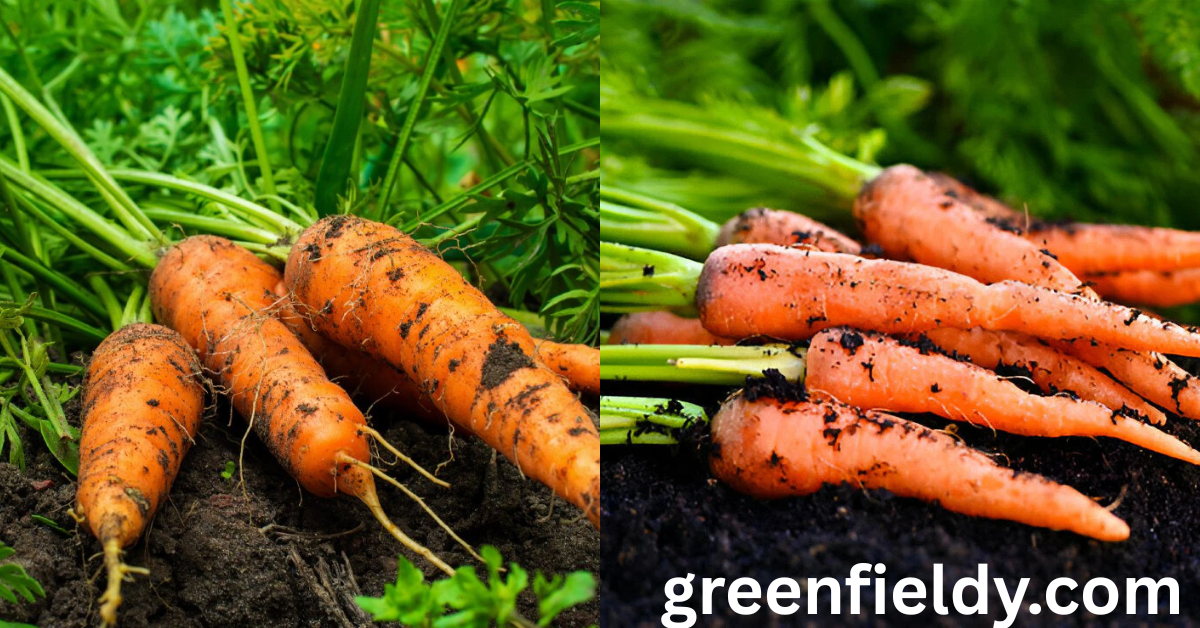
In recent months, many shoppers have noticed empty shelves or higher prices where carrots are usually stocked. This growing concern has raised an important question: why is there a carrot shortage, and how long will it last? Carrots are a staple vegetable used in homes, restaurants, and food industries worldwide, making this shortage more noticeable than ever.
This article explores the main reasons behind the carrot shortage, its impact on consumers, and what we can expect in the future.
What Is Causing the Carrot Shortage?
Several factors have combined to create the current carrot shortage. It is not due to a single issue, but rather a chain of problems affecting production and supply.
1. Extreme Weather Conditions
Carrots require stable weather to grow properly. Unusual heatwaves, droughts, floods, and unexpected frosts have damaged carrot crops in many farming regions. Poor weather reduces both the quality and quantity of harvested carrots.
2. Rising Farming Costs
The cost of seeds, fertilizers, fuel, and labor has increased significantly. Some farmers are planting fewer carrots because production has become more expensive, leading to lower overall supply.
3. Supply Chain Disruptions
Transportation delays, fuel shortages, and logistical challenges have slowed the movement of carrots from farms to markets. Even when crops are available, delays can prevent them from reaching stores on time.
4. Labor Shortages
Harvesting carrots is labor-intensive. A lack of seasonal farm workers has resulted in unharvested crops, further reducing supply.
How the Carrot deficiency Affects Consumers
The carrot shortage has a direct impact on everyday shoppers and food businesses.
- Higher Prices: Limited supply has pushed carrot prices up in many areas.
- Limited Availability: Stores may restrict quantities or experience frequent stock shortages.
- Food Industry Impact: Restaurants and food manufacturers that rely on carrots may adjust recipes or raise prices.
Are Other Vegetables Affected Too?
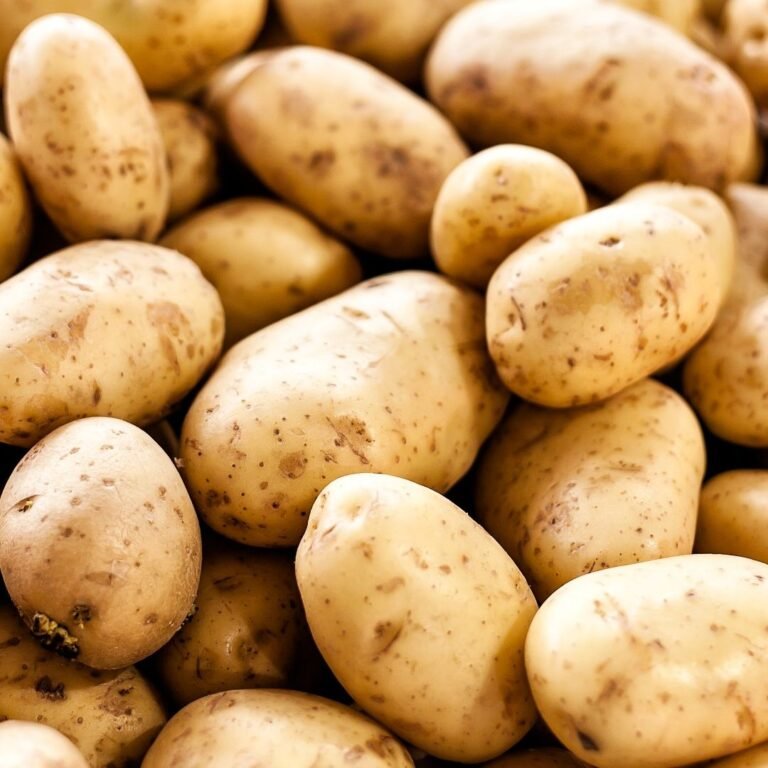
Yes. The carrot shortage is part of a larger trend affecting several vegetables. Climate change, increased costs, and supply chain issues are also impacting onions, potatoes, and leafy greens. This shows how vulnerable food systems can be when multiple challenges occur at the same time.
How Long Will the Carrot Shortage Last?
The duration of the carrot deficiency depends on upcoming growing seasons and weather conditions. If farmers experience favorable weather and improved supply chains, availability may stabilize. However, continued climate challenges could cause shortages to reappear in the future.
The Carrot Shortage 2026 is mainly linked to extreme weather conditions, reduced crop yields, rising farming costs, and supply chain disruptions. Unpredictable rainfall, heatwaves, and soil issues affected carrot production in key growing regions. At the same time, higher costs for fuel, fertilizers, and transportation made it harder for farmers to maintain normal supply.
As a result, many markets are seeing limited availability and increased prices. For consumers, this means higher grocery bills and occasional shortages. For farmers and suppliers, the situation highlights the need for better climate planning, efficient irrigation, and improved storage and distribution systems to stabilize future supply.
What Can Consumers Do?
While consumers cannot control the shortage, they can take a few smart steps:
- Buy only what you need to avoid unnecessary waste
- Consider seasonal or local alternatives
- Support local farmers when possible
FAQs About Carrot Shortage
Why are carrots out of stock everywhere?
Carrots are out of stock in many places due to poor weather conditions, reduced harvests, and supply chain delays that have limited availability.
Why is there a carrot shortage in 2026?
The carrot shortage in 2026 is mainly due to bad weather, including heavy rains and cold temperatures, which reduced crop yields and delayed harvesting in key growing regions.
Why is there a carrot shortage?
The carrot shortage is mainly caused by extreme weather conditions, rising farming costs, labor shortages, and supply chain disruptions. These factors reduce carrot production and delay distribution.
When did the carrot shortage start?
The carrot shortage began appearing in recent growing seasons when unusual weather patterns and higher agricultural costs affected crop yields in several regions.
Why are carrots out of stock?
Carrots may be out of stock due to bad weather, delayed harvesting, or transportation issues. Sometimes demand increases while supply is still limited from farms. When this happens, stores can temporarily run out until new shipments arrive.
Is the carrot shortage affecting prices?
Yes, limited supply has led to higher carrot prices in grocery stores and markets. Prices may vary depending on location and availability.
How long will the carrot shortage last?
The duration depends on upcoming harvests and weather conditions. If farming conditions improve, the shortage may ease, but climate challenges could extend it.
Are carrots completely unavailable?
No, carrots are not completely unavailable. However, supply may be limited, and some stores may experience temporary stock shortages.
Why is there a canned carrot shortage?
The canned carrot shortage is mainly caused by poor harvests due to extreme weather, higher processing and transportation costs, and supply chain disruptions. Droughts and floods reduce carrot yields, while rising fuel and labor expenses slow down canning operations and distribution. As a result, manufacturers produce fewer canned carrots, leading to limited availability in stores.
Conclusion
The carrot shortage highlights how interconnected agriculture, climate, and global supply chains really are. While the situation may improve with better harvests, it also serves as a reminder of the importance of sustainable farming and efficient food distribution systems.
Staying informed helps consumers make better choices and adapt to temporary changes in food availability.
About the Author



1 thought on “Carrot Shortage: Causes, Impact, and What It Means for Consumers”