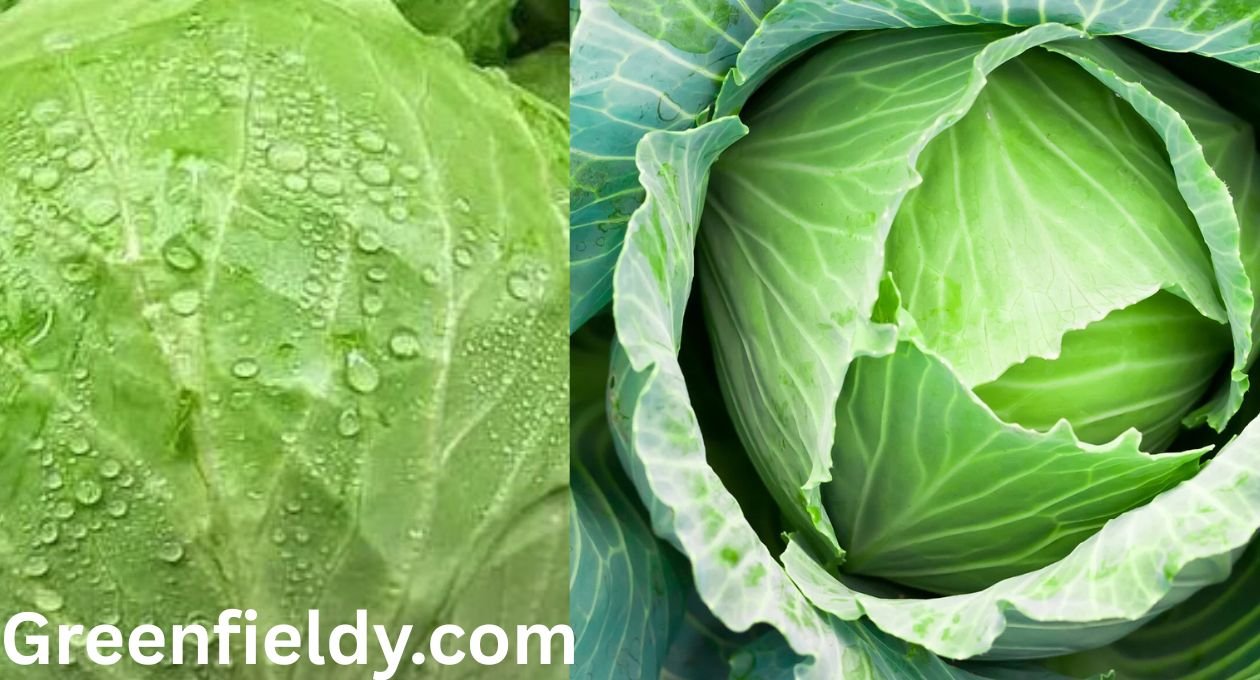
The cabbage shortage has become a growing concern for consumers, farmers, and food businesses worldwide. As cabbage is a staple vegetable used in households, restaurants, and food processing industries, any disruption in its supply chain directly affects prices, availability, and dietary choices. This article provides a clear, in-depth look at the cabbage shortage, its causes, impacts, and what lies ahead—without unnecessary or irrelevant information.
Understanding the Cabbage Shortage
A cabbage deficiency occurs when production and supply fail to meet market demand. This imbalance can be regional or global and often results in limited availability and rising prices. Since cabbage is cultivated in large quantities year-round, shortages usually indicate deeper agricultural or logistical challenges rather than simple seasonal gaps.
Key Causes Behind the Cabbage Shortage
Several interconnected factors contribute to the cabbage shortage. Extreme weather events such as droughts, floods, and unexpected frosts can damage crops. Additionally, rising input costs, labor shortages, and transportation disruptions reduce overall supply. When multiple issues occur simultaneously, the impact becomes more severe.
Climate Change and Its Role in Reduced Cabbage Supply
Climate instability has significantly affected cabbage farming. Irregular rainfall, prolonged heatwaves, and shifting growing seasons stress crops and lower yields. Farmers often struggle to predict planting and harvesting times, which directly contributes to inconsistent supply and fuels the cabbage shortage.
Rising Production Costs and Farmer Challenges
The cost of seeds, fertilizers, fuel, and labor has increased sharply. Many small and medium-scale farmers find cabbage cultivation less profitable under these conditions. As a result, some reduce their planted area or switch to alternative crops, further tightening cabbage availability.
Impact of the Cabbage Shortage on Prices
One of the most visible effects of the cabbage shortage is higher prices. Wholesale and retail markets experience price spikes when supply drops, making cabbage less affordable for low-income households. Restaurants and food vendors often pass these costs on to consumers.
Effects on Households and Food Businesses
Cabbage is widely used in salads, soups, stir-fries, and fermented foods. When supply is limited, households must adjust meal planning, while restaurants may alter menus or reduce portion sizes. Food manufacturers that rely on cabbage-based products also face production delays.
Regional Differences in the Cabbage Deficiency
The cabbage deficiency does not affect all regions equally. Areas heavily dependent on local farming are more vulnerable to climate-related disruptions, while regions reliant on imports face challenges from shipping delays and trade restrictions. These regional differences influence how severe the deficiency feels to consumers.
How Supply Chains Respond to the Shortage
To cope with the cabbage deficiency, suppliers often seek alternative sourcing regions or increase imports where possible. However, this approach raises transportation costs and may not fully stabilize prices. Improved storage and distribution systems can help reduce losses but are not immediate solutions.
What Consumers Can Do During a Cabbage Shortage
Consumers can manage the effects of a cabbage shortage by being flexible with meal planning. Substituting similar vegetables, buying seasonal produce, and reducing food waste can help offset higher prices. Supporting local farmers when possible also contributes to long-term supply stability.
Future Outlook: Will the Cabbage Shortage Improve?
The future of the cabbage shortage depends on weather patterns, farming investments, and supply chain improvements. With better climate adaptation strategies, improved farming techniques, and stable logistics, cabbage supply may gradually recover. However, without long-term planning, deficiency could reoccur.
FAQs About Cabbage Shortage
1. Why is there a cabbage shortage right now?
The cabbage shortage is mainly caused by climate disruptions, increased production costs, and supply chain challenges.
2. Does a cabbage deficiency always lead to higher prices?
Yes, reduced supply usually results in higher market prices due to increased demand.
3. How long can a cabbage deficiency last?
It can last from a few weeks to several months, depending on growing cycles and recovery conditions.
4. Are all regions affected by the cabbage shortage equally?
No, the impact varies based on local production, import reliance, and climate conditions.
5. Can the cabbage shortage be prevented in the future?
While it cannot be fully eliminated, better farming practices, climate adaptation, and efficient logistics can reduce its severity.
Conclusion
The cabbage shortage highlights the fragile balance between agriculture, climate, and global supply chains. From rising prices to limited availability, its effects are felt across households and businesses alike. Addressing the root causes—such as climate resilience, farmer support, and efficient distribution—is essential to reducing future deficiency and ensuring consistent cabbage supply.
About the Author