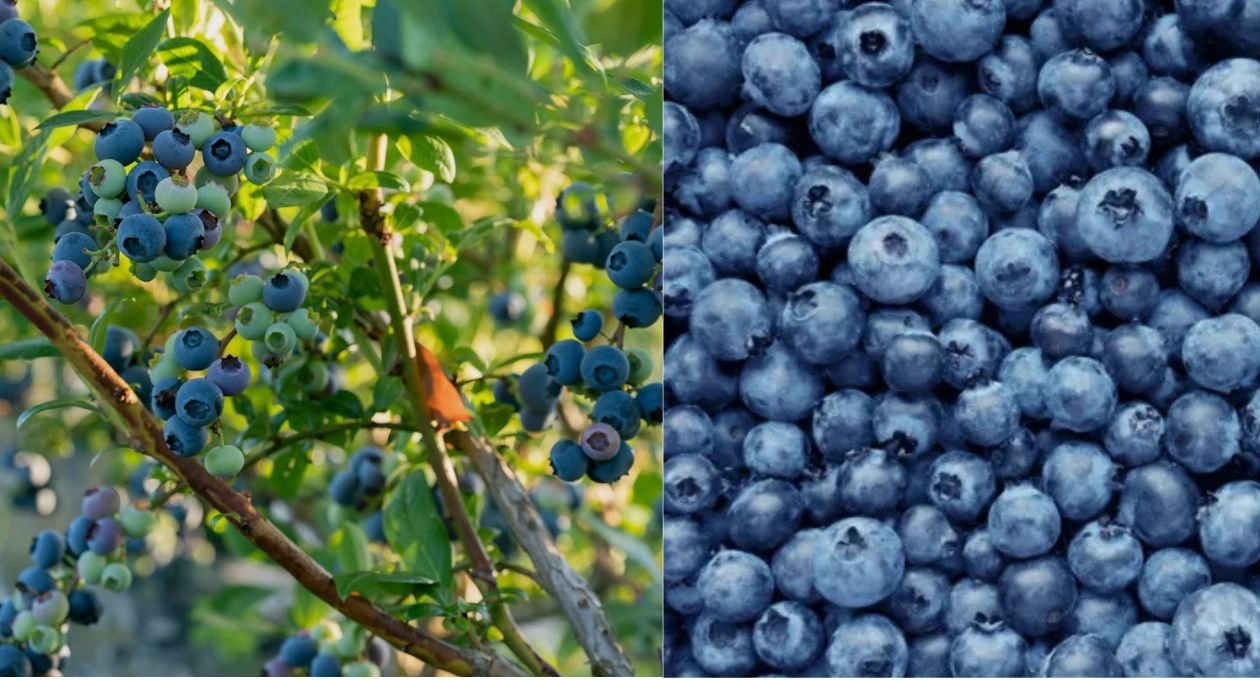
The blueberry shortage has become a growing concern for consumers, farmers, and food businesses worldwide. Once considered a reliably available superfruit, blueberries are now facing supply challenges that affect pricing, accessibility, and long-term production. This guide explains the causes, effects, and future outlook of the blueberry shortage in a clear, factual, and relevant way.
Understanding the Blueberry Shortage
The blueberry shortage refers to a reduced availability of fresh blueberries in global and local markets. This shortage is not limited to one region; it affects multiple producing countries at different times of the year. Seasonal gaps, environmental stress, and supply chain disruptions collectively contribute to inconsistent supply. As demand continues to rise, even small production losses can significantly impact availability.
Climate Change and Its Role in Reduced Blueberry Supply
Climate instability is one of the most significant contributors to the blueberry shortage. Blueberries are highly sensitive to temperature changes, frost, drought, and excessive rainfall. Unpredictable weather patterns have damaged crops during critical growth stages, reducing yields. In many growing regions, extreme weather events are becoming more frequent, making consistent blueberry production increasingly difficult.
Water Scarcity and Soil Challenges
Blueberries require specific soil conditions and steady access to water. Prolonged droughts and water restrictions in major farming areas have limited irrigation options. Poor soil moisture affects berry size, quality, and overall harvest volume. These agricultural constraints directly reduce output, intensifying the blueberry shortage across markets.
Labor Shortages in Blueberry Farming
Harvesting blueberries is labor-intensive and time-sensitive. A lack of skilled farm labor has delayed harvesting in several regions, leading to crop losses. Rising labor costs and workforce shortages make it harder for farmers to maintain optimal production levels. This challenge adds another layer of pressure to an already strained supply system.
Blueberry Shortage 2026
Rising Global Demand for Blueberries
Demand for blueberries has surged due to their reputation as a nutrient-rich food. Increased consumption in health-focused diets, smoothies, and processed foods has outpaced production growth. While demand continues to expand, supply struggles to keep up, widening the gap that fuels the blueberry deficiency.
Supply Chain and Transportation Disruptions
Even when blueberries are successfully grown, getting them to market remains a challenge. Transportation delays, higher fuel costs, and cold-storage limitations reduce the amount of fruit that reaches consumers in good condition. These logistical problems can cause localized shortages, even if crops are available elsewhere.
Impact of the Blueberry Shortage on Prices
One of the most visible effects of the blueberry shortage is higher prices. Limited supply combined with strong demand naturally pushes costs upward. Consumers often notice smaller package sizes or premium pricing, while food manufacturers may face higher ingredient costs that affect product pricing.
Effects on Farmers and Agricultural Businesses
For farmers, the blueberry shortage presents both risks and challenges. Reduced yields can mean financial losses, while rising production costs strain profit margins. Some growers are investing in new farming techniques or varieties, but these solutions take time to deliver results. Smaller farms are particularly vulnerable to ongoing shortages.
Frozen Blueberry Shortage
How Consumers Are Adapting
Consumers are adjusting by buying frozen blueberries, seeking local alternatives, or reducing overall consumption. Frozen options help stabilize supply, but they do not fully replace fresh berries for all uses. Awareness of seasonal availability is also increasing as shoppers adapt to market fluctuations caused by the deficiency.
Future Outlook: Will the Blueberry Shortage Continue?
The future of the blueberry shortage depends on climate adaptation, farming innovation, and supply chain improvements. Advances in drought-resistant plants, improved irrigation, and better logistics could help stabilize supply. However, without long-term solutions, periodic shortages are likely to continue as demand remains strong.
Frequently Asked Questions (FAQs)
1. Why is there a blueberry shortage right now?
The blueberry shortage is mainly caused by climate-related issues such as droughts, unexpected frosts, and heatwaves that reduce crop yields. Labor shortages and transportation challenges also limit how much fruit reaches the market, even when crops are grown successfully.
2. How long is the blueberry shortage expected to last?
The duration of the blueberry shortage varies by region and season. Some shortages are temporary and improve with the next harvest cycle, while others may persist longer due to ongoing climate instability and rising global demand. Periodic shortages are likely in the coming years.
3. Is the blueberry shortage affecting prices?
Yes, the blueberry shortage has led to higher prices in many markets. Reduced supply combined with steady consumer demand causes price increases, especially for fresh blueberries. Frozen blueberries are often less affected but can also see price changes.
4. Are frozen blueberries impacted by the blueberry shortage?
Frozen blueberries are less affected than fresh ones because they can be stored for longer periods. However, if overall production declines significantly, frozen supplies may also tighten, contributing indirectly to the blueberry shortage.
5. What can consumers do during a blueberry shortage?
During a blueberry shortage, consumers can choose frozen blueberries, buy locally when available, or substitute with similar fruits when prices rise. Being flexible with seasonal availability helps manage both cost and access.
6.is there a frozen blueberry shortage
Conclusion
The blueberry shortage is the result of multiple interconnected factors, including climate change, labor constraints, rising demand, and supply chain challenges. Its impact is felt across the entire food system, from farms to grocery stores. Understanding these causes helps consumers and businesses prepare for fluctuations while highlighting the importance of sustainable agricultural practices to secure the future of blueberry production.
About the Author