Starting a garden feels exciting. You picture colorful flowers, fresh vegetables, and baskets full of homegrown food. But a few small mistakes can quickly turn that dream into frustration.
The truth is, most beginners don’t fail because they lack effort they fail because they don’t know what to avoid. Understanding common New Gardener Mistakes? early on can save you time, money, and disappointment.
Let’s walk through the 10 biggest mistakes beginners make — and how to avoid them.
Planting Without Understanding Your Climate
One of the most common new gardener mistakes is choosing plants that simply don’t fit the local climate.
Every plant has temperature and seasonal needs. Tropical plants won’t survive frost. Cool-season crops struggle in extreme heat.
Before buying anything, learn:
- Your USDA hardiness zone (or local climate zone)
- First and last frost dates
- Average summer temperatures
Ignoring Soil Quality
Healthy soil equals healthy plants.
Many beginners focus on seeds and forget that soil is the foundation. Poor soil leads to weak growth, nutrient deficiencies, and low yields.
Good soil should:
- Drain well
- Hold moisture without becoming soggy
- Contain organic matter
Adding compost improves nearly any garden bed. Think of soil as the engine — everything else depends on it.
Overwatering Plants
If there’s one mistake that kills more plants than anything else, it’s overwatering.
New gardeners often assume more water means faster growth. In reality, roots need oxygen. Constantly wet soil suffocates roots and causes rot.
Signs of overwatering:
- Yellowing leaves
- Mushy stems
- Wilting despite wet soil
Water deeply but less often. Let the top inch of soil dry before watering again.
Planting Too Much Too Soon
Excitement leads to overcrowding.
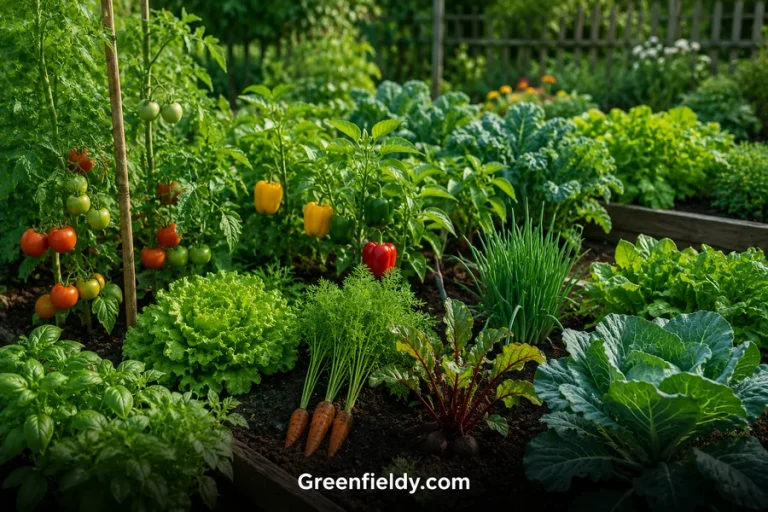
Beginners often plant too many vegetables, too close together, in a space that’s too small. The result? Competition for sunlight, nutrients, and airflow.
Start small. It’s better to care for:
- 4 healthy tomato plants
than - 12 struggling ones.
A manageable garden is easier to maintain and more productive.
Not Paying Attention to Sunlight
Sunlight is food for plants.
Many vegetables need 6–8 hours of direct sun daily. If you plant sun-loving crops in shade, they’ll grow slowly or produce little.
Before planting:
- Observe your yard for a full day
- Note where shadows fall
- Match plants to light conditions
Right plant, right place — this simple rule prevents many new gardener mistakes.
Skipping Proper Spacing
Crowded plants may look lush at first, but poor spacing causes long-term problems.
Without enough space:
- Air circulation decreases
- Fungal diseases spread faster
- Roots compete for nutrients
Always check spacing recommendations on seed packets or plant labels. Those numbers matter.
Forgetting About Mulch
Mulch may not seem exciting, but it’s powerful.
It helps:
- Retain soil moisture
- Reduce weeds
- Regulate soil temperature
- Improve soil over time
A 2–3 inch layer of organic mulch (like straw, wood chips, or shredded leaves) can dramatically improve plant health.
Many new gardener mistakes happen simply because beginners skip this easy step.
Fertilizing Incorrectly
More fertilizer does not mean better growth.
Over-fertilizing can:
- Burn roots
- Cause excessive leaf growth with little fruit
- Damage soil balance
Under-fertilizing, on the other hand, leads to weak plants.
Use balanced fertilizer and follow label instructions carefully. Compost is often enough for beginner gardens.
Ignoring Pests Until It’s Too Late
Small pest problems become big problems quickly.
Beginners often notice damage but wait too long to act. Regular inspection is key.
Check:
- Undersides of leaves
- New growth
- Soil surface
Early action is easier and usually requires fewer chemicals. Sometimes, simply removing pests by hand solves the issue.
Expecting Perfection
Gardening is a learning process.
Even experienced gardeners lose plants sometimes. Weather changes, pests appear, and experiments fail.
The biggest of all New Gardener Mistakes? Expecting instant perfection.
Instead:
- Observe
- Adjust
- Learn from each season
Every mistake teaches something valuable.
Frequently Asked Questions (FAQs)
1. What is the most common mistake new gardeners make?
Overwatering is one of the most common mistakes. It can quickly lead to root rot and plant failure.
2. How often should I water my garden?
It depends on your climate and soil, but generally 1–2 deep waterings per week is better than daily shallow watering.
3. Should beginners start with seeds or plants?
Starter plants (seedlings) are easier for beginners because they skip the delicate germination stage.
4. How can I improve poor garden soil quickly?
Adding compost is the fastest and most effective way to improve soil structure and nutrients.
5. How big should a beginner garden be?
Start small even a few containers or a small raised bed is enough for your first season. You can always expand later.
Conclusion
Gardening isn’t about having a perfect yard it’s about growing, learning, and improving over time.
By avoiding these common new gardener mistakes, you give your plants the best possible start. Focus on soil health, proper watering, sunlight, and realistic expectations. Start small, stay consistent, and remember: every experienced gardener was once a beginner.
With patience and attention, your garden will reward you season after season.
About the Author