
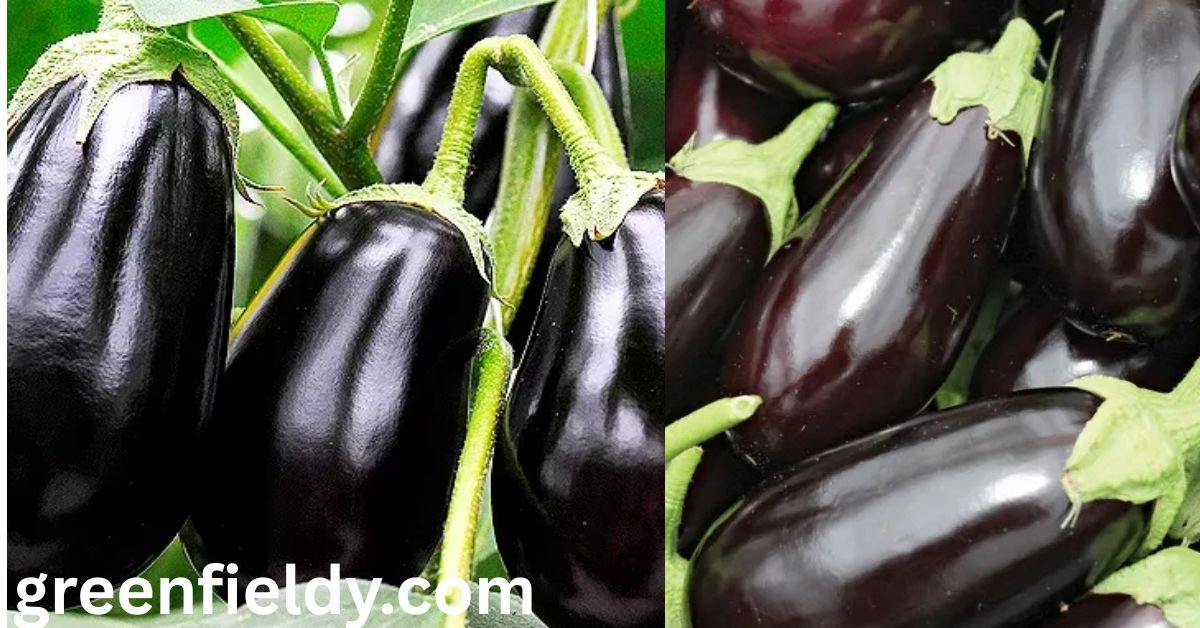
Eggplant, also known as aubergine or brinjal, is a staple vegetable in many cuisines around the world. From home kitchens to restaurant menus, its absence is quickly noticed. Recently, the eggplant shortage has raised concerns among consumers, farmers, and food businesses alike. This guide explores the reasons behind the shortage, its ripple effects, and what lies ahead.
What Is the Eggplant Shortage?
The eggplant shortage refers to a reduced supply of eggplants in local and international markets. This imbalance between demand and availability has led to higher prices and limited access in some regions. While shortages are not new in agriculture, this one has drawn attention because eggplant is a year-round favorite in many cultures.
Weather Conditions Affecting Eggplant Crops
Unpredictable weather patterns are a major contributor to the eggplant shortage. Excessive rainfall can cause root diseases, while heatwaves may stunt growth or damage flowers. In regions dependent on seasonal farming, even a short period of extreme weather can significantly reduce harvest volumes.
Impact of Pests and Plant Diseases
Eggplant crops are vulnerable to pests such as fruit borers, aphids, and mites. When infestations spread quickly, farmers may lose large portions of their fields. Plant diseases like wilt and blight further intensify the eggplant shortage by lowering both yield and quality.
Rising Farming and Production Costs
The cost of seeds, fertilizers, labor, and irrigation has increased globally. Many small-scale farmers struggle to keep up with these expenses, leading some to reduce eggplant cultivation or switch to other crops. Reduced planting directly affects supply and contributes to ongoing shortages.
Transportation and Supply Chain Disruptions
Even when eggplants are successfully harvested, getting them to markets can be challenging. Fuel price hikes, poor infrastructure, and delays in transportation can limit distribution. These logistical hurdles often worsen the eggplant shortage, especially in urban areas far from farming zones.
Effect on Market Prices and Consumers
One of the most noticeable outcomes of the eggplant shortage is higher prices. Consumers may see sudden spikes in vegetable costs, forcing households to adjust meal plans. Restaurants and food vendors also face increased expenses, sometimes passing the cost on to customers.
How the Eggplant Shortage Affects Restaurants and Food Businesses
Eggplant is a key ingredient in many popular dishes. When supply drops, restaurants may remove certain items from menus or look for alternatives. For businesses that specialize in eggplant-based recipes, shortages can reduce profits and customer satisfaction.
Regional Differences in Eggplant Availability
The eggplant shortage does not affect all regions equally. Areas with advanced greenhouse farming may experience fewer disruptions, while regions dependent on open-field agriculture face greater challenges. Import-dependent countries are also more vulnerable to global supply fluctuations.
Possible Solutions and Farming Innovations
To reduce future shortages, farmers are adopting improved practices such as disease-resistant varieties, better pest management, and controlled-environment farming. Government support, training programs, and access to affordable inputs can also help stabilize eggplant production over time.
Future Outlook for Eggplant Supply
While the current eggplant shortage is concerning, the long-term outlook remains hopeful. With better planning, climate-adaptive farming methods, and improved supply chains, production can recover. Consumer awareness and support for local farmers may also play a role in ensuring steady availability.
FAQs About Eggplant Shortage
Q1: Why is there an eggplant shortage right now?
The shortage is mainly due to weather extremes, pest issues, and rising farming costs that have reduced overall production.
Q2: Will eggplant prices go down soon?
Prices may stabilize once harvest conditions improve and supply chains return to normal, though timing varies by region.
Q3: Is the eggplant shortage global?
No, it affects some regions more than others, depending on climate, farming methods, and import reliance.
Q4: Can consumers do anything to cope with the shortage?
Buying seasonal vegetables, supporting local farmers, and reducing food waste can help manage the impact.
Q5: Are farmers switching away from eggplant farming?
Some farmers are diversifying crops due to high costs, which can contribute to reduced eggplant availability.
Conclusion
The eggplant shortage highlights how sensitive food systems are to environmental, economic, and logistical pressures. From farms to dinner tables, its effects are widely felt. While challenges remain, ongoing innovation and collaborative efforts between farmers, suppliers, and consumers can help restore balance. With thoughtful solutions and sustainable practices, the future of eggplant production can become more resilient and reliable.
About the Author