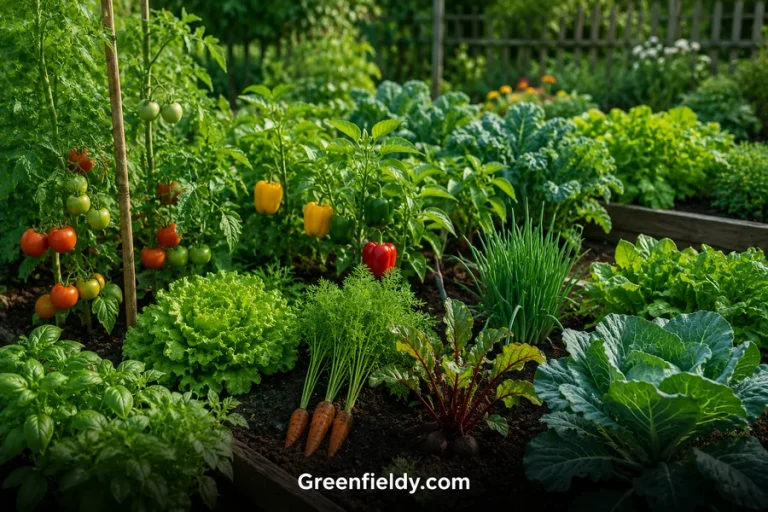
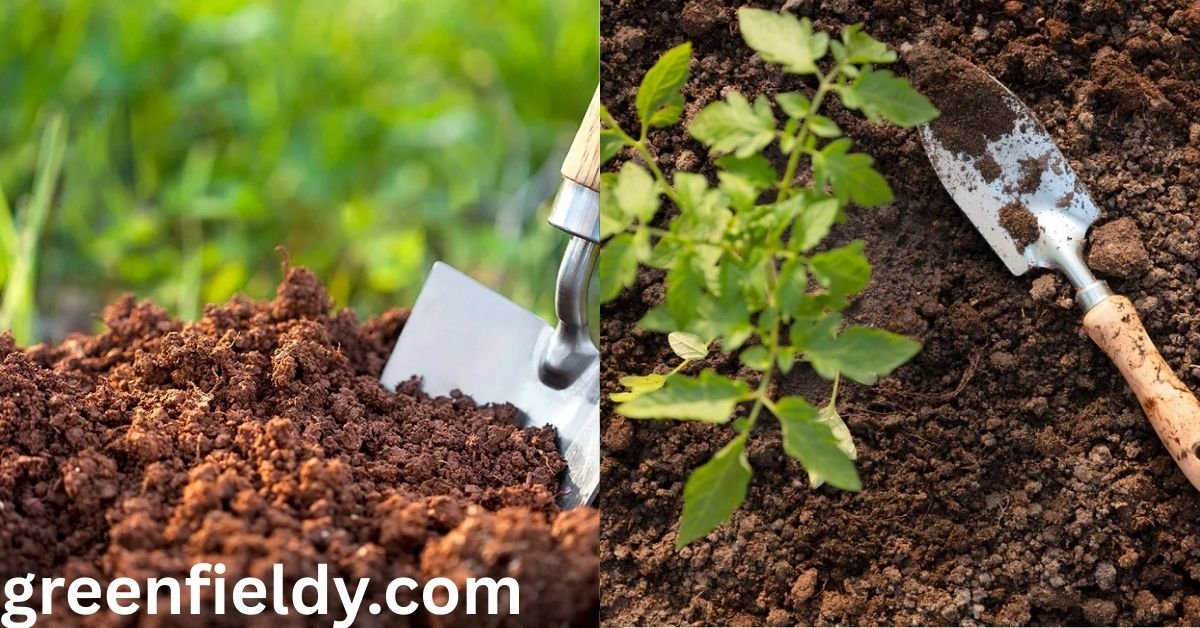
Growing vegetables is like hosting a dinner party for plants. If the table is strong and nourishing, the guests thrive. That table is the best soil for vegetable garden. Below is a complete, focused, and practical guide with exactly what you need and nothing you don’t.
Why Soil Quality Matters for Vegetable Gardening
Vegetables depend on soil for nutrients, water, oxygen, and root support. Poor soil leads to weak growth, low yields, and more pests. The best soil for vegetable garden creates a balanced environment where roots can breathe, absorb nutrients, and expand freely. Healthy soil directly affects taste, size, and productivity of vegetables.
Key Characteristics of the Best Soil for Vegetable Garden
Not all soil is equal. Ideal vegetable garden soil has:
- Good drainage without drying out too fast
- High organic matter
- A loose, crumbly structure
- Balanced nutrients
- Slightly acidic to neutral pH
This combination supports strong root systems and steady plant growth throughout the season.
Ideal Soil Texture for Growing Vegetables
Texture refers to the mix of sand, silt, and clay. The best soil for vegetable garden is loamy soil.
- Sand allows drainage
- Silt holds nutrients
- Clay retains moisture
Loam balances all three, preventing waterlogging while keeping nutrients available to plants.
Importance of Soil pH in Vegetable Gardens
Soil pH controls how easily plants absorb nutrients. Most vegetables prefer a pH between 6.0 and 7.0.
If soil is too acidic or too alkaline, nutrients stay locked in the soil and roots cannot use them. Testing soil pH helps you adjust conditions for optimal growth.
Role of Organic Matter in Vegetable Garden Soil
Organic matter is the life of soil. Compost, aged manure, and leaf mold improve:
- Soil structure
- Moisture retention
- Nutrient availability
- Beneficial microbial activity
Adding organic matter regularly is one of the simplest ways to maintain the best soil for vegetable garden year after year.
Best Soil Types for Different Vegetable Gardens
Different setups need slightly different soil approaches:
- Raised beds: Loose garden soil mixed with compost
- In-ground gardens: Native soil improved with organic matter
- Container gardens: Lightweight potting mix with added compost
Matching soil type to your garden style improves root health and plant performance.
How to Improve Poor Soil for Vegetable Gardening
Even bad soil can be transformed. Steps include:
- Adding compost to increase fertility
- Mixing in sand for heavy clay soil
- Using mulch to protect soil structure
- Avoiding over-tilling
With consistent care, poor soil can slowly become the best soil for vegetable garden.
Soil Drainage and Water Retention Balance
Vegetables need steady moisture, not flooded roots. Good soil drains excess water while holding enough moisture between watering.
Raised beds, organic matter, and proper spacing help achieve this balance and prevent root diseases.
Nutrient Management in Vegetable Garden Soil
Vegetables are heavy feeders. Nitrogen supports leafy growth, phosphorus strengthens roots, and potassium improves fruit quality.
The best soil for vegetable garden supplies nutrients gradually, reducing the need for chemical fertilizers and protecting soil health.
Maintaining Healthy Soil for Long-Term Vegetable Growth
Soil care is ongoing, not a one-time task. Rotate crops, add compost every season, and keep soil covered with mulch.
Healthy soil improves each year, leading to stronger plants, better harvests, and fewer problems.
Final Thoughts
Choosing and maintaining the best soil for vegetable garden is the foundation of successful gardening. When soil is rich, balanced, and alive, vegetables grow stronger with less effort. Treat your soil well, and it will quietly reward you with abundant harvests season after season.
Frequently Asked Questions (FAQs)
1. What is the best soil for vegetable garden beginners?
For beginners, loamy soil mixed with compost is ideal. It is easy to work with, drains well, and provides balanced nutrients, making it the best soil for vegetable garden for new gardeners.
2. Can I use normal garden soil for vegetables?
Normal garden soil can be used, but it often needs improvement. Adding organic matter like compost or well-rotted manure helps turn ordinary soil into the best soil for vegetable garden.
3. How often should I add compost to vegetable garden soil?
Compost should be added at least once or twice a year, ideally before planting seasons. Regular composting keeps soil fertile and improves structure over time.
4. Is clay soil bad for vegetable gardening?
Clay soil is not bad, but it needs proper management. When improved with organic matter, clay soil can hold nutrients well and become suitable for growing vegetables.
5. What soil pH is best for most vegetables?
Most vegetables grow best in slightly acidic to neutral soil, with a pH range of 6.0 to 7.0. This range allows plants to absorb nutrients efficiently.
6. Can container vegetables use the same soil as garden beds?
No. Containers require lightweight potting mixes that drain well. Heavy garden soil can restrict root growth and reduce plant health.
Conclusion
Healthy vegetables start from the ground up. Choosing the best soil for vegetable garden ensures strong roots, balanced nutrition, and consistent growth throughout the season. Soil with good texture, proper drainage, rich organic matter, and the right pH creates an environment where vegetables can thrive naturally. By improving and maintaining soil regularly, gardeners set the stage for better harvests, healthier plants, and long-term gardening success.
About the Author