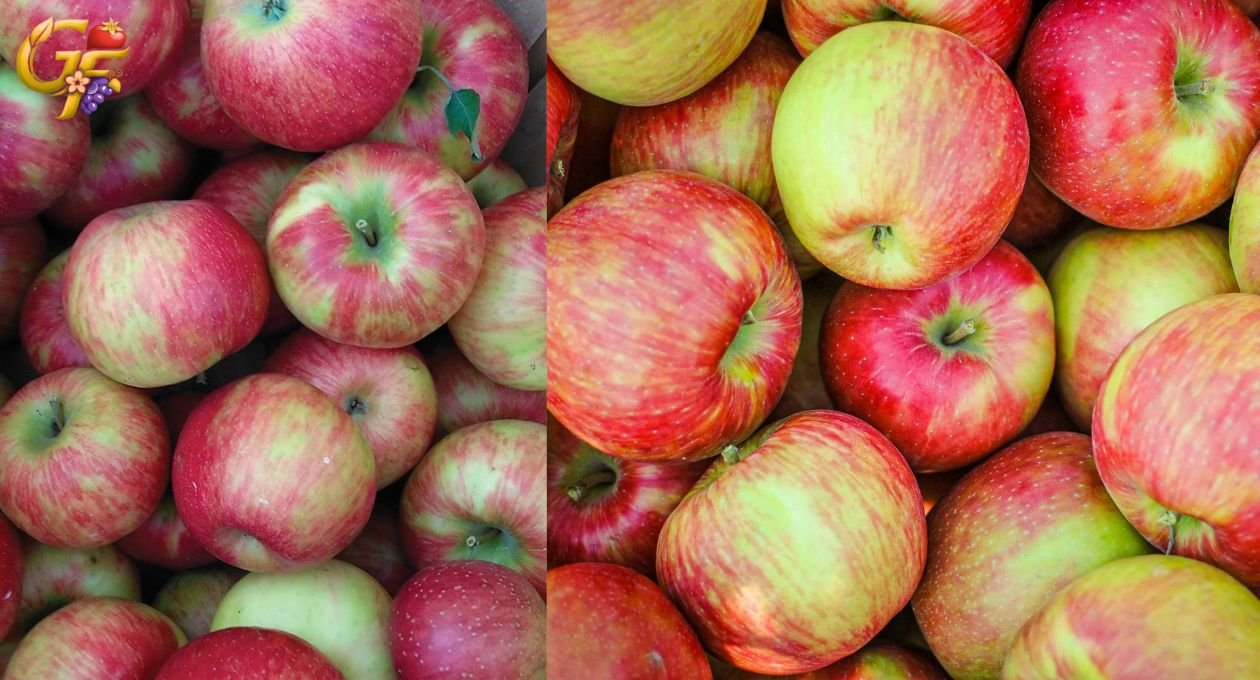
Honeycrisp apples are loved for their explosive crunch, balanced sweetness, and juicy texture. Yet many shoppers pause when they see the price tag and ask the same question: why are Honeycrisp apples so expensive compared to other apple varieties? The answer lies in a mix of science, farming difficulty, supply limits, and strong consumer demand. This guide explains every major reason behind their premium price—clearly, accurately, and without irrelevant details.
What Makes Honeycrisp Apples Different?
Honeycrisp apples stand out because of their unique cell structure. Unlike softer apples, their large, rigid cells break cleanly when bitten, creating a loud crunch and releasing juice instantly. This exceptional eating experience is not common in most apples, making Honeycrisp apples feel like a luxury product rather than a basic fruit.
Why Are Honeycrisp Apples So Expensive to Grow?
One of the biggest reasons why are Honeycrisp apples so expensive is that they are difficult for farmers to grow. The trees are sensitive to temperature changes, soil conditions, and disease. They require precise care throughout the growing season, which increases labor, monitoring, and overall production costs.
Low Yields Mean Higher Prices
Honeycrisp trees produce fewer usable apples per acre than many other varieties. A large percentage of fruit may be rejected due to size, color, or surface imperfections. When supply is lower but costs remain high, prices naturally rise to cover the loss.
High Risk for Apple Growers
Growing Honeycrisp apples is financially risky. Trees are prone to disorders such as bitter pit, which can ruin fruit after harvest. Farmers often invest years before seeing a profitable return. This risk is factored into the final market price consumers pay.
Strict Quality Standards
Honeycrisp apples must meet strict visual and texture standards to be sold at premium prices. Apples that are too small, unevenly colored, or slightly damaged often cannot be sold as fresh fruit. Maintaining this quality requires extra sorting, storage, and handling, all of which add to the cost.
Expensive Storage Requirements
Unlike many apples, Honeycrisp apples need specialized cold storage conditions to preserve their crunch and flavor. Improper storage can quickly reduce quality. Advanced storage technology increases operational expenses, contributing further to why Honeycrisp apples are so expensive.
Limited Growing Regions
Honeycrisp apples grow best in specific climates with cold winters and mild summers. This limits where they can be produced successfully. Because they cannot be grown everywhere in large quantities, supply remains constrained while nationwide demand continues to grow.
Strong Consumer Demand
Demand plays a major role in pricing. Honeycrisp apples consistently rank among the most popular apple varieties in grocery stores. When consumers are willing to pay more for a superior taste and texture, retailers price accordingly.
Licensing and Production Costs
Honeycrisp apples were originally developed through a university breeding program, and for years growers had to pay licensing fees to plant them. While some restrictions have eased, the long-term impact of these costs still affects pricing structures in the apple industry.
Are Honeycrisp Apples Worth the Price?
Whether the cost is justified depends on personal preference. For many people, the unmatched crunch, sweetness, and juiciness make Honeycrisp apples worth every dollar. Others may prefer more affordable varieties for everyday use. Still, the premium price reflects real challenges and costs, not artificial inflation.
Final Thoughts
So, why are Honeycrisp apples so expensive? The answer is a combination of difficult growing conditions, low yields, high risks, specialized storage, and overwhelming consumer demand. Honeycrisp apples are not just another fruit—they are a carefully cultivated product that delivers a unique eating experience. Their price reflects the effort, expertise, and resources required to bring that perfect crunch from orchard to table.
FAQs
1. Why are Honeycrisp apples so expensive compared to other apples?
Honeycrisp apples are expensive because they are difficult to grow, produce lower yields, and require intensive care, strict quality control, and specialized storage. These factors significantly increase production costs compared to other apple varieties.
2. Are Honeycrisp apples more expensive because of demand?
Yes. High consumer demand plays a major role in why Honeycrisp apples are so expensive. Their unique crunch, sweetness, and juiciness make them one of the most sought-after apples, allowing retailers to charge premium prices.
3. Do Honeycrisp apples cost more to store?
Absolutely. Honeycrisp apples require precise cold-storage conditions to maintain their texture and flavor. Improper storage can damage quality, making storage more expensive than for standard apple varieties.
4. Are Honeycrisp apples harder for farmers to grow?
Yes. Honeycrisp trees are sensitive to climate, prone to disorders like bitter pit, and often yield fewer market-ready apples. This high risk and extra labor contribute to higher prices.
5. Are Honeycrisp apples worth the high price?
For many consumers, yes. The exceptional crunch, balanced sweetness, and consistent quality justify the cost. However, value depends on personal taste and budget.
Conclusion
So, why are Honeycrisp apples so expensive? The high price is driven by real factors—challenging growing conditions, low yields, higher risks for farmers, specialized storage needs, and strong consumer demand. Honeycrisp apples are not priced higher by chance; their cost reflects the effort and resources required to deliver their signature crunch and flavor.
If you’re paying more for Honeycrisp apples, you’re paying for quality, consistency, and one of the most carefully cultivated apple varieties available today.
About the Author