Dark berries are among the most nutrient-dense fruits in the world. Known for their deep colors and rich flavors, they are valued for both taste and health benefits. This complete guide explores what Dark Berries are, why they matter, and how they can be used in everyday life—without unnecessary fluff or irrelevant details.
What Are Dark Berries?
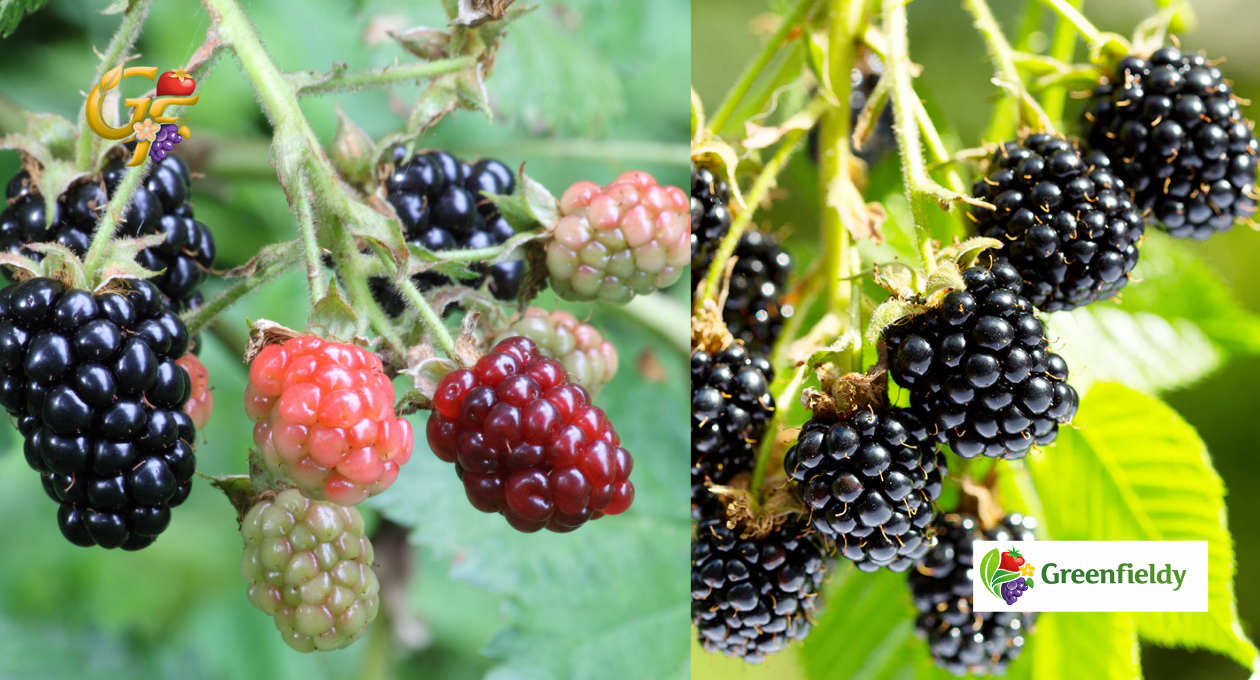
Dark berries are fruits with deep purple, blue, or nearly black skins caused by natural plant pigments. These berries grow on shrubs, vines, or small plants and are consumed fresh, frozen, or processed. Their dark color is a natural indicator of high phytonutrient content, making black Berries distinct from lighter-colored fruits.
Types of Dark Berries Commonly Consumed
Several fruits fall under the category of Dark Berries. While each has unique characteristics, they share similar nutritional strengths. Common examples include blueberries, blackberries, black raspberries, elderberries, and black currants. These berries are widely used in culinary, nutritional, and wellness contexts.
Nutritional Profile of Dark Berries
Dark Berries are low in calories but rich in essential nutrients. They typically contain dietary fiber, vitamin C, vitamin K, and manganese. Their most notable compounds are natural antioxidants, which help protect cells from oxidative stress. This balanced nutritional profile makes Dark Berries suitable for daily consumption.
Why Dark Berries Have Deep Colors
The intense color of Dark Berries comes from plant compounds called anthocyanins. These pigments develop as the fruit ripens and serve as natural protection for the plant. For humans, these compounds contribute to the berries’ nutritional value and are closely linked to their health-supporting properties.
Health Benefits Associated With Dark Berries
Regular consumption of black Berries is associated with overall wellness support. Their fiber content aids digestion, while antioxidants help maintain cellular health. Many people include Dark Berries in balanced diets to support heart health, cognitive function, and metabolic balance in a natural way.
Dark Berries in Everyday Diets
Dark Berries are easy to include in daily meals. They can be added to breakfast bowls, smoothies, salads, or eaten on their own as a snack. Because of their natural sweetness and slight tartness, Dark Berries fit well into both sweet and savory dishes without added sugars.
Fresh vs Frozen Dark Berries
Fresh Dark Berries offer excellent flavor and texture, especially during peak season. Frozen Dark Berries, however, are harvested at ripeness and preserved quickly, retaining most of their nutrients. This makes frozen options a practical and cost-effective choice when fresh berries are unavailable.
Culinary Uses of Dark Berries
Dark Berries are highly versatile in the kitchen. They are used in desserts, sauces, jams, baked goods, and beverages. Their deep color also makes them visually appealing in recipes, enhancing presentation while contributing natural flavor and nutrition.
Storing and Handling Dark Berries
Proper storage is important to maintain freshness. Fresh Dark Berries should be kept refrigerated and washed only before use to prevent moisture-related spoilage. Frozen Dark Berries should remain sealed and stored at consistent temperatures to preserve quality and taste.
The Growing Popularity of Dark Berries
Interest in black Berries continues to rise due to increased awareness of whole foods and plant-based nutrition. Their combination of taste, versatility, and nutritional value has made Dark Berries a staple in modern diets, food research, and wellness-focused lifestyles.
Conclusion
Dark Berries stand out as flavorful, nutrient-rich fruits with wide-ranging uses and benefits. From their natural pigments to their role in everyday meals, black Berries offer both practical value and nutritional depth. Including them regularly is a simple way to enhance dietary quality without complexity or excess.
(FAQs) About Dark Berries
1. What are considered dark berries?
Dark Berries are fruits with deep purple, blue, or black skin, such as blueberries, blackberries, black raspberries, elderberries, and black currants. Their dark color comes from natural pigments that are linked to their nutritional value.
2. Are dark berries healthier than light-colored berries?
Dark Berries often contain higher levels of antioxidants due to their darker pigmentation. While all berries are nutritious, dark-colored varieties are especially valued for their dense phytonutrient content.
3. Can dark berries be eaten every day?
Yes, Dark Berries can be consumed daily as part of a balanced diet. They are low in calories, rich in fiber, and easy to include in meals like smoothies, breakfasts, or snacks.
4. Do frozen dark berries have the same benefits as fresh ones?
Frozen Dark Berries retain most of their nutrients because they are frozen shortly after harvest. They are a convenient and nutritious alternative when fresh berries are not in season.
5. What is the best way to store dark berries?
Fresh Dark Berries should be stored in the refrigerator and washed just before eating. Frozen varieties should be kept sealed in the freezer to maintain quality and flavor.
About the Author