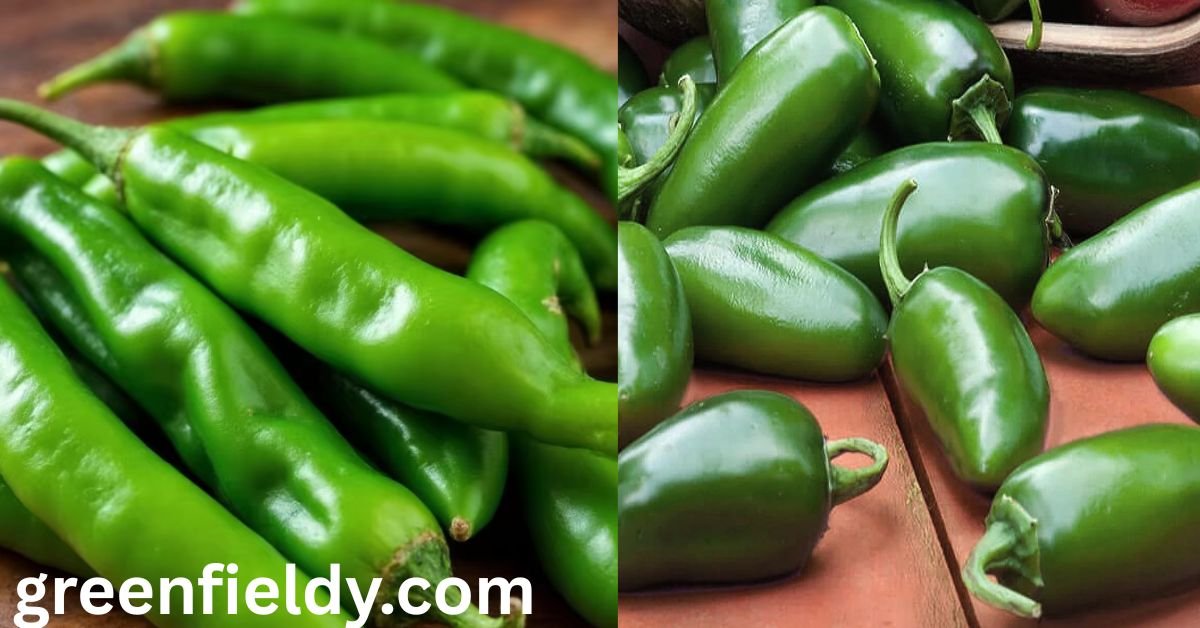
What Exactly is a Coolapeno?
The coolapeno is a hybrid variety of the traditional jalapeño (Capsicum annuum) specifically bred to eliminate capsaicin, the compound responsible for “spice.” While it looks identical to its fiery cousin—sporting the same glossy green skin and bullet shape it registers at zero Scoville Heat Units (SHU). It provides the crunch and aroma of a pepper without the burn.
The Science Behind the “Heatless” Hybrid
Botanists developed the coolapeno through natural cross-breeding techniques rather than genetic modification. By isolating plants with a natural mutation that prevents capsaicin production, growers were able to stabilize a variety that retains the essential oils and sugars of a jalapeño. This allows the pepper’s natural sweetness and “green” vegetal notes to shine through.
Flavor Profile: More Than Just “Not Hot”
When you remove the heat from a pepper, you unlock a hidden depth of flavor. A coolapeno is characterized by:
- Crisp Sweetness: Similar to a green bell pepper but more concentrated.
- Zesty Aroma: That classic, pungent jalapeño scent that wakes up the senses.
- Citrus Undertones: Many fans note a slight lemony brightness that is usually masked by spice in standard peppers.
Why the Coolapeno is a Kitchen Game-Changer
The biggest benefit of the coolapeno is its inclusivity. It allows families with children, elderly individuals, or those with digestive sensitivities to enjoy Southwestern and Mexican-inspired dishes together. You no longer have to make two separate batches of salsa; one bowl of coolapeno-infused dip satisfies everyone.
How to Grow Coolapenos in Your Garden
Growing a coolapeno is nearly identical to growing standard peppers. They thrive in:
- Full Sun: At least 6–8 hours of direct sunlight.
- Well-Drained Soil: They prefer a slightly acidic to neutral pH.
- Warmth: Plant them after the last frost when the soil has warmed up. They are high-yield plants, often producing dozens of peppers per season, making them great for small backyard plots or containers.
Distinguishing Coolapenos from Traditional Jalapeños
One challenge for gardeners is telling them apart. Because they look identical, it is crucial to label your plants clearly. A common mistake is harvesting a “cool” pepper only to realize it was a standard jalapeño. Visually, the coolapeno may sometimes grow slightly larger or smoother, but a taste test is the only foolproof method once they are off the vine.
Culinary Uses: From Salsas to Poppers
The coolapeno is incredibly versatile. Because there is no risk of over-spicing, you can use them in higher volumes:
- Mild Poppers: Stuff them with cream cheese and wrap them in bacon for a crowd-pleasing appetizer.
- Fresh Salads: Dice them into Greek or garden salads for a zesty crunch.
- Pickling: jalapeno rings are perfect for topping nachos or sandwiches when you want the tang without the sting.
Health Benefits of the Coolapeno
Don’t let the lack of heat fool you; these peppers are nutritional powerhouses. They are rich in:
- Vitamin C: Essential for immune support.
- Vitamin A: Great for eye health and skin.
- Antioxidants: Helping to combat oxidative stress in the body. You get all these benefits without the potential acid reflux or irritation associated with spicy foods.
Storing and Preserving Your Harvest
If you have a bumper crop of jalapeno peppers, you have several options. They stay fresh in the refrigerator crisper drawer for up to two weeks. For long-term storage, they freeze exceptionally well. Simply slice them, flash-freeze them on a tray, and then transfer them to a freezer bag for use in cooked dishes all winter long.
Where to Buy Coolapeno Seeds and Produce
As the popularity of “heatless” peppers grows, you can find coolapeno seeds at most major garden centers or online heirloom seed retailers. While they are becoming more common in grocery stores, they are often labeled as “Heatless Jalapeños.” Check your local farmers’ market during the late summer months for the freshest local haul.
To wrap up our deep dive into the jalapeno, we’ve gathered the most common questions and summarized why this pepper is a must-have for your culinary toolkit.
Frequently Asked Questions (FAQs)
Is a coolapeno just a bell pepper in a different shape?
No. While they share a lack of heat, the coolapeno retains the specific flavor compounds, aromatic oils, and texture of a jalapeño. Bell peppers are thicker-walled and generally sweeter, whereas the jalapeno has that distinct “zesty” and slightly earthy taste unique to jalapeño varieties.
Can coolapenos turn spicy if planted near hot peppers?
This is a common garden myth. Cross-pollination between a coolapeno and a hot jalapeño will only affect the seeds of the next generation. The fruit you harvest this season will remain heatless, regardless of what is growing next to it.
Do coolapenos turn red?
Yes! Just like standard jalapeños, if left on the vine longer, a coolapeno will ripen from deep green to bright red. When red, they become slightly sweeter and more nutrient-dense, though they still remain entirely heat-free.
Are they the same as “Nadapedo” or “Trinidad Perfume” peppers?
They are similar in concept (heatless versions of hot peppers), but they are different varieties. The coolapeno is specifically the heatless version of the jalapeño, while the Trinidad Perfume is a heatless version of the habanero.
Conclusion
The coolapeno represents a brilliant shift in how we think about garden vegetables. It proves that “flavor” and “fire” do not have to be synonymous. By removing the barrier of intense heat, this pepper opens up a world of culinary possibilities for children, people with capsaicin sensitivities, and those who simply want to enjoy the crunch of a pepper without the physical sting.
About the Author