
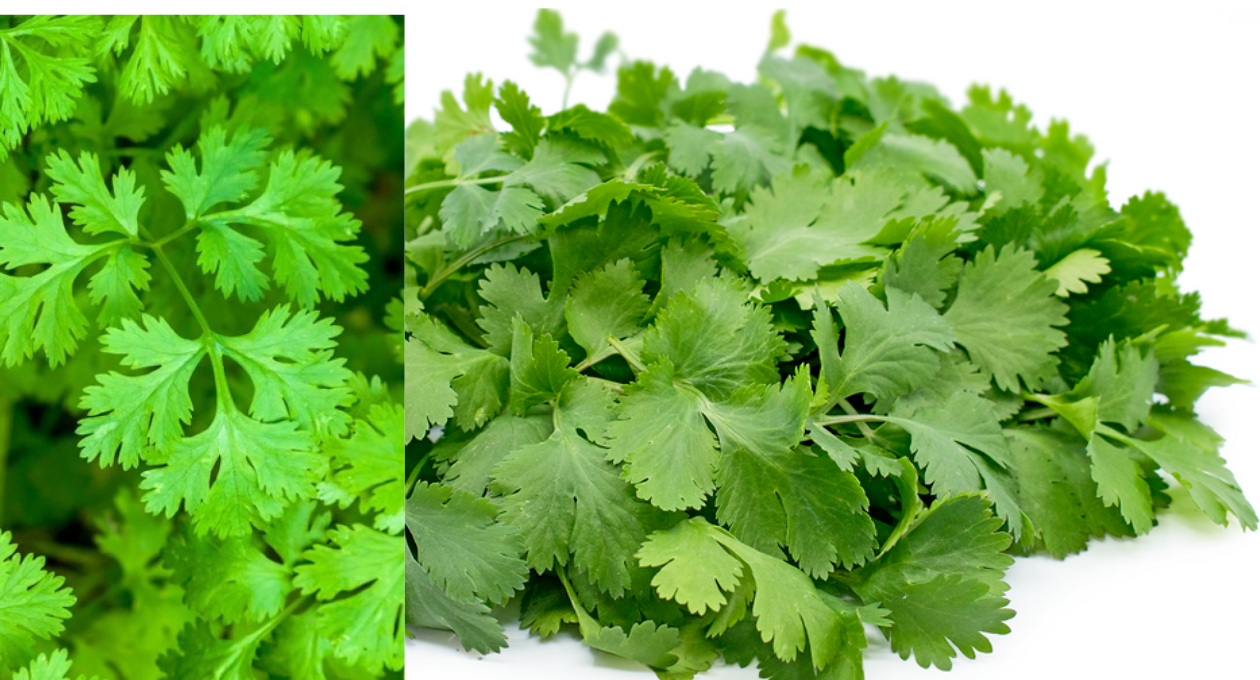
The cilantro shortage has quietly become a real headache for home cooks, restaurants, and grocery stores. This guide explains what’s behind the shortage, how it’s affecting prices and menus, and practical steps consumers and businesses can take while supplies recover.
What we mean by the cilantro shortage
A “cilantro shortage” refers to periods when fresh cilantro supplies fall well below normal levels — producing empty grocery bins, spiking retail prices, and forcing restaurants to alter recipes. Because cilantro is quick to spoil and often grown in concentrated regions, even short disruptions can ripple across the supply chain.
Main causes: weather, pests, and concentrated production
Several overlapping problems create cilantro shortages: extreme weather (droughts, heat waves, unusual rainfall), increased pest pressure and disease, and the fact that much of the market supply comes from relatively few growing regions. When one or more of these factors hit at the same time, availability tightens quickly.
Pest pressure and low yields
Pests and crop diseases can reduce yields for tender-leaf herbs. When farmers lose a significant portion of a harvest, supply for fresh cilantro drops fast because it doesn’t store well for long periods. That shortage of fresh product increases pressure across the entire distribution chain.
How the shortage raises prices and affects grocery shelves
When supply drops but demand remains steady, retail prices rise — sometimes dramatically for delicate herbs like cilantro. Grocers may limit sales, rotate stock less often, or substitute other greens in prepared foods. Specialty and ethnic markets often feel the shortage earliest and most keenly.
The restaurant impact: small plates, big headaches
Cilantro is a signature garnish and flavor for many cuisines (Mexican, Southeast Asian, Middle Eastern). Shortages force kitchens to:
- Substitute parsley, basil, or culantro (with flavor compromises).
- Change or remove cilantro-forward menu items.
- Absorb higher ingredient costs or pass them to customers.
These changes can alter customer expectations and add operational headaches for busy kitchens.
Regional hotspots and trade factors
Because cilantro production is concentrated in some regions, production setbacks there disproportionately affect markets that rely on imports. Trade timing, shipping windows, and occasional regulatory or safety holds can amplify shortages by delaying alternative sources.
Short-term substitutes that actually work
If you’re cooking through a cilantro shortage, try these swaps:
- Flat-leaf parsley: bright and green with a milder taste.
- Culantro (if available): stronger and more pungent — use sparingly.
- Fresh mint or basil: useful in specific dishes as a different but pleasant flavor pivot.
- Lime or microgreens: add freshness when herbs are unavailable.
Remember: substitutions change the dish’s profile, so adjust quantities and seasoning.
Smart consumer strategies during a cilantro shortage
- Buy earlier in the week: many stores restock early; weekends sell out fast.
- Split bulk bunches and freeze small portions for later use.
- Preserve excess: chop cilantro and freeze in ice-cube trays with water or oil for cooked dishes.
- Grow at home: cilantro is quick to start from seed; succession planting helps maintain a steady supply.
What farmers and the industry are doing
Growers and distributors are responding with short- and long-term measures:
- Shifting production windows and diversifying growing regions.
- Trialing improved pest-management approaches.
- Investing in greenhouse and controlled-environment production to supply herbs year-round closer to markets.
These solutions help, but scaling them to meet demand takes time and investment.
Outlook: how long will the cilantro shortage last — and what to watch
Predicting an exact timeline is difficult because cilantro supply depends on weather, pest cycles, and how quickly growers can expand or change practices. Signs that supply is improving include steady retail restocking, wider availability across store types, and lower retail prices. Watch local produce alerts and market reports for concrete signs of stabilization.
Cilantro Shortage 2026
The cilantro shortage in 2026 is mainly caused by unfavorable weather conditions, seasonal growing challenges, and ongoing supply chain issues. Cilantro is a delicate herb that struggles in extreme heat, cold snaps, and irregular rainfall. These conditions reduce crop yields and delay harvesting. Rising transportation costs and labor shortages have also made it harder to keep cilantro consistently stocked in stores. As a result, availability may be limited at certain times, but the shortage is usually temporary.
Frequently Asked Questions
Is there a cilantro shortage?
Yes — many regions are experiencing a cilantro shortage, meaning supplies are low and prices have risen. This is due to a mix of factors including extreme weather hurting crops, pest issues, and challenges in farm labor and supply chains, which have reduced overall availability. Grocery stores and restaurants have reported empty shelves or higher prices for cilantro, especially in the U.S. and Mexico where much of the herb is produced.
What is causing the cilantro shortage right now?
A combination of factors — extreme or unusual weather, pest and disease pressure, and production concentrated in a few regions — reduces harvests and shortens the available fresh supply, triggering shortages.
How long will the cilantro shortage last?
There’s no exact timeline. Shortages can ease within a season if weather and pest conditions improve or if alternative suppliers increase shipments. Lasting solutions usually require growers to diversify regions or invest in controlled-environment production, which takes longer.
What can I use instead of cilantro in recipes?
Good substitutes include flat-leaf parsley (milder, similar look), culantro (stronger — use less), fresh mint or basil in certain cuisines, or a squeeze of lime and additional fresh greens to mimic cilantro’s brightness.
Can I freeze cilantro to beat the shortage?
Yes. Chop cilantro and freeze it in ice-cube trays with water or olive oil; use those cubes in cooked dishes later. Frozen cilantro won’t have the same texture as fresh for garnishes but works well for soups, sauces, and cooked recipes.
Is growing cilantro at home a reliable way to avoid the shortage
Growing cilantro at home is a practical short-term strategy. Cilantro grows quickly from seed but prefers cooler conditions; succession planting (planting seeds every few weeks) helps maintain a steady supply. Indoors or in shaded areas can extend harvests in hot climates.
Why Is There No Cilantro in Stores?
Cilantro may be missing from stores due to unfavorable weather conditions, seasonal growing limits, climate change impacts, and supply chain disruptions. Extreme heat or cold can damage crops, while transportation delays and labor shortages can further reduce availability. These shortages are usually temporary and improve when growing conditions stabilize.
Conclusion
The cilantro shortage highlights how vulnerable fresh, fast-growing herbs are to weather extremes, pest pressure, and concentrated production systems. When supply is disrupted, the effects are felt quickly — from higher grocery prices to menu changes in restaurants and frustration for everyday cooks. While growers and suppliers are working to stabilize production through diversification and improved growing methods, these solutions take time to fully deliver results. In the meantime, understanding the causes of the cilantro shortage helps consumers and businesses adapt more effectively by using smart substitutions, preserving what’s available, or even growing cilantro at home. With gradual improvements in production resilience, availability is expected to stabilize, but flexibility will remain essential whenever supply conditions shift.
About the Author