Introduction to the Basil Shortage
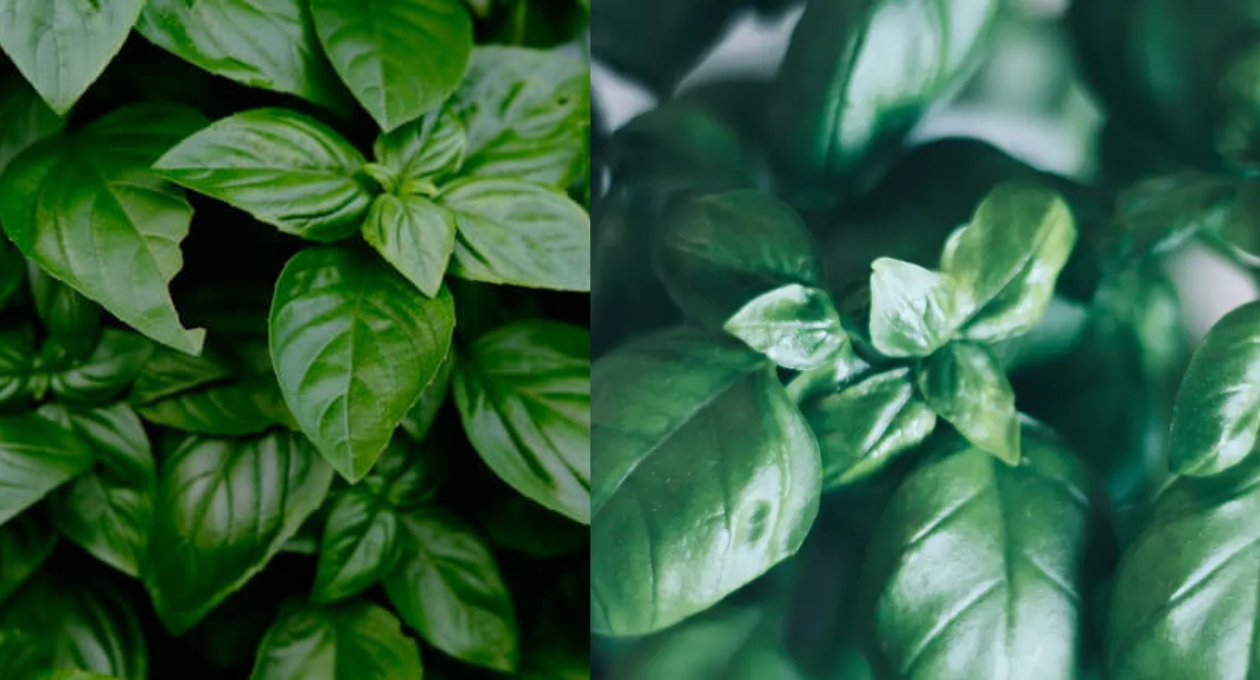
The basil shortage has become a noticeable issue for home cooks, restaurants, and food suppliers. Basil is a key herb in many cuisines, and even small disruptions in its availability can affect menus, prices, and consumer choices. Understanding why the basil shortage happens helps buyers and growers respond more effectively.
What Is Causing the Basil Shortage?
Several factors contribute to the basil deficiency, including weather instability, agricultural challenges, and supply chain disruptions. Basil is sensitive to temperature and humidity, and unfavorable growing conditions can reduce yields quickly. Transportation delays and labor shortages also add pressure to supply.
Seasonal Impact on Basil Supply
Basil is largely a warm-season herb. During colder months, outdoor production declines in many regions, increasing reliance on greenhouses and imports. When seasonal transitions are unpredictable, the basil deficiency becomes more pronounced due to reduced harvest cycles.
Climate Change and Its Role in the Basil Shortage
Extreme heat, unseasonal frost, and irregular rainfall patterns affect basil growth. Climate-related stress can weaken plants, reduce leaf quality, and shorten harvest windows. These environmental shifts are now a consistent driver behind recurring basil shortage concerns.
Transportation and Supply Chain Challenges
Even when basil is successfully grown, it must reach markets quickly. Basil has a short shelf life, and delays during shipping can lead to spoilage. Fuel costs, logistics bottlenecks, and import restrictions all intensify the basil deficiency at retail and wholesale levels.
How the Basil deficiency Affects Prices
When supply drops and demand remains steady, prices rise. The basil shortage often results in higher costs for fresh basil, especially organic varieties. Restaurants may adjust menu prices or reduce basil-heavy dishes, while consumers may see fluctuating prices in grocery stores.
Impact on Restaurants and Home Cooks
Restaurants rely on consistent herb supplies to maintain flavor standards. During a basil deficiency, chefs may limit dishes like pesto or substitute herbs. Home cooks may also struggle to find fresh basil, changing meal planning and recipe choices.
Are Basil Alternatives Filling the Gap?
In response to the basil shortage, some turn to alternatives such as parsley, cilantro, or dried basil. While substitutes can help, they do not fully replicate basil’s aroma and taste. This makes fresh basil irreplaceable for certain dishes, keeping demand high even during shortages.
How Growers Are Responding to the Basil deficiency
Farmers are adapting by investing in controlled-environment agriculture, including hydroponics and greenhouse systems. These methods help stabilize production and reduce weather-related losses, offering a long-term solution to recurring basil deficiency issues.
What to Expect in the Future
The basil deficiency is likely to remain an intermittent challenge rather than a permanent one. Improved farming technology, diversified sourcing, and better logistics may reduce its severity. However, ongoing climate and supply chain pressures mean that occasional deficiency should still be expected.
Conclusion
The basil deficiency highlights how sensitive herb production is to weather, climate shifts, and supply chain efficiency. Because basil has a short growing and shelf life, even minor disruptions can quickly affect availability and prices. While growers are adopting modern farming techniques to stabilize supply, temporary deficiency are still likely to occur. For consumers and businesses, flexibility—such as seasonal buying and careful storage—remains the best way to manage the impact of a basil deficiency.
FAQs About the Basil Shortage
About the Author