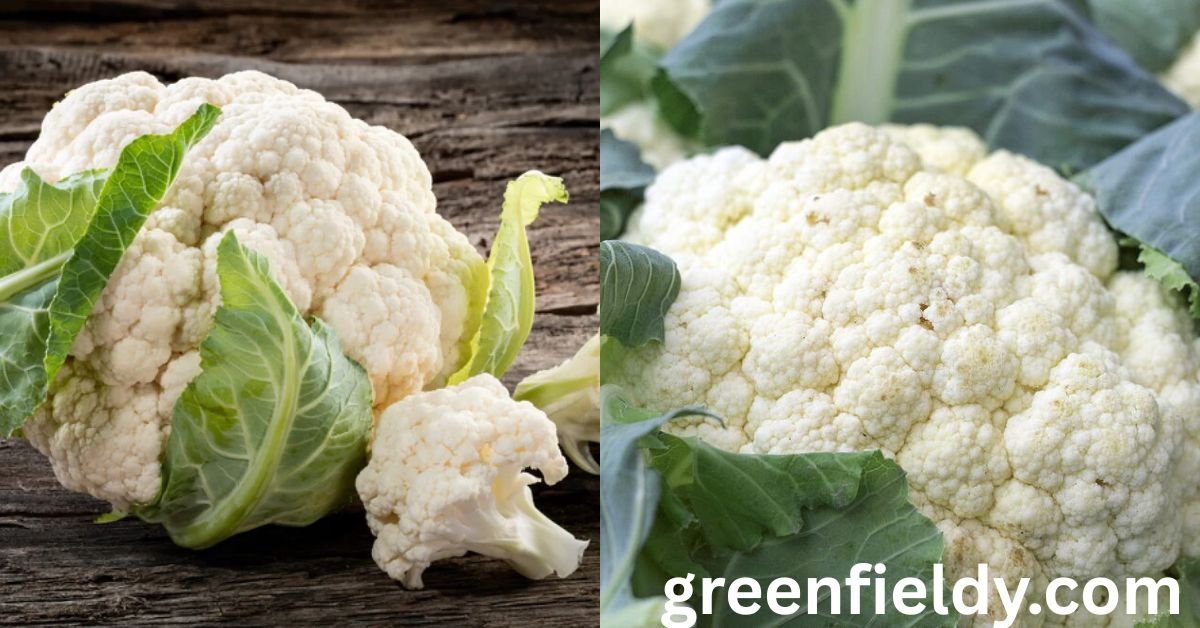
Cauliflower has quietly become a superstar on dinner plates around the world. From low-carb rice alternatives to roasted side dishes, this humble vegetable suddenly feels essential. So when it starts disappearing from grocery shelves or doubling in price, curiosity sparks fast. A cauliflower shortage is not just about missing one vegetable. It is a story woven from weather, agriculture, nutrition trends, and global food systems. Let’s unpack it step by step, in plain and simple terms.
What Is a Cauliflower Shortage?
A cauliflower shortage happens when supply cannot keep up with demand. Farmers grow less than usual, shipments slow down, or crops fail, while consumers still want the same amount or more. Unlike shelf-stable foods such as grains or cereal crops, cauliflower is fresh, delicate, and highly dependent on timing. When something disrupts that timing, the shortage becomes visible very quickly.
Weather Conditions and Crop Failure
Cauliflower is sensitive to temperature changes. Extreme heat, unexpected frost, or heavy rainfall can damage the plant before it matures. Climate shifts in major growing regions have made weather patterns less predictable, directly reducing harvest volumes. When fields produce smaller heads or lose crops entirely, supply tightens almost overnight.
Seasonal Farming Cycles and Limited Supply
Cauliflower grows best in cool seasons. It cannot be produced year-round in all regions like some plant-based food staples. When seasonal transitions overlap with poor weather, farmers cannot simply speed things up. This natural limitation makes cauliflower more vulnerable than whole grains or other long-storage agricultural products.
Rising Demand for Plant-Based Foods
In recent years, cauliflower demand has surged. People use it as a rice substitute, pizza crust base, and even in snacks. Health-conscious consumers looking for lower carbohydrates options have embraced it. This sudden popularity mirrors the kind of confusion people have with food categories, similar to common questions like Is Rice a Vegetable?, which shows how diets and food choices are rapidly evolving.
Supply Chain and Transportation Challenges
Even when cauliflower is grown successfully, getting it to stores is another challenge. Fuel costs, labor shortages, and transportation delays can slow distribution. Fresh vegetables do not wait patiently like dried grains. If trucks are delayed, cauliflower spoils, and effective supply shrinks further.
Impact on Prices in Grocery Stores
When supply drops and demand stays strong, prices rise. Consumers often notice smaller cauliflower heads at higher prices. Restaurants may remove cauliflower-based dishes from menus or substitute ingredients. This price fluctuation reflects basic agriculture economics, not poor store management.
How Farmers Are Responding to the Shortage
Farmers are adapting by testing more resilient cauliflower varieties and adjusting planting schedules. Some are diversifying crops to reduce risk, balancing vegetables with cereal crops and other staples. However, these changes take time, and results are not immediate.
Nutritional Importance of Cauliflower
Cauliflower is valued for its nutrition profile. It is low in calories, rich in fiber, and supports a balanced diet. While it does not provide carbohydrates in the same way grains do, it fits well into modern eating patterns focused on variety and plant-based food choices.
Cauliflower Compared to Other Staple Foods
Unlike rice, wheat, or other whole grains, cauliflower cannot be stored for long periods. Grains benefit from strong global supply systems and clear botanical classification. Cauliflower, as a fresh vegetable, depends heavily on local harvest success, making shortages more noticeable and frequent.
What Consumers Can Do During a Shortage
During a cauliflower shortage, flexibility helps. Shoppers can explore alternatives like broccoli, cabbage, or other seasonal vegetables. Understanding how agriculture works makes price changes less frustrating and encourages smarter food choices rather than panic buying.
Frequently Asked Questions (FAQs)
Why is there a cauliflower shortage right now?
Cauliflower shortages usually happen due to weather disruptions, seasonal limits, and increased consumer demand combined with transportation challenges.
How long does a cauliflower shortage last?
Most shortages are temporary and resolve once the next harvest cycle begins or supply chains stabilize.
Can cauliflower be replaced nutritionally during a shortage?
Yes, vegetables like broccoli, cabbage, and leafy greens offer similar nutrition and can be good alternatives until supply improves.
Does a cauliflower shortage affect restaurants and food brands?
Yes, restaurants and food brands often feel the impact first. When cauliflower prices rise or supply becomes inconsistent, menus may change, portion sizes may shrink, or alternative vegetables may be used.
Are cauliflower shortages becoming more common?
Shortages are becoming more noticeable due to climate changes and shifting agriculture patterns. As weather becomes less predictable and demand for plant-based foods grows, temporary shortages may happen more often.
Conclusion
A cauliflower shortage is the result of many moving parts working slightly out of sync. Weather, farming cycles, rising demand, and supply chain issues all play a role. While shortages can be inconvenient, they also highlight how delicate fresh food systems are compared to stable crops like grains. With informed choices and a bit of patience, consumers and producers alike can navigate these temporary gaps more smoothly.
About the Author