The Green Onion Shortage has recently become a concern for consumers, retailers, and the food industry alike. Often overlooked, green onions are a staple ingredient that adds flavor, color, and nutrition to countless dishes worldwide. When supply declines, the ripple effects can be felt from farms to restaurant kitchens.
This guide explores the reasons behind the shortage, its consequences, and practical ways both consumers and businesses can adapt.
What Is Green Onion
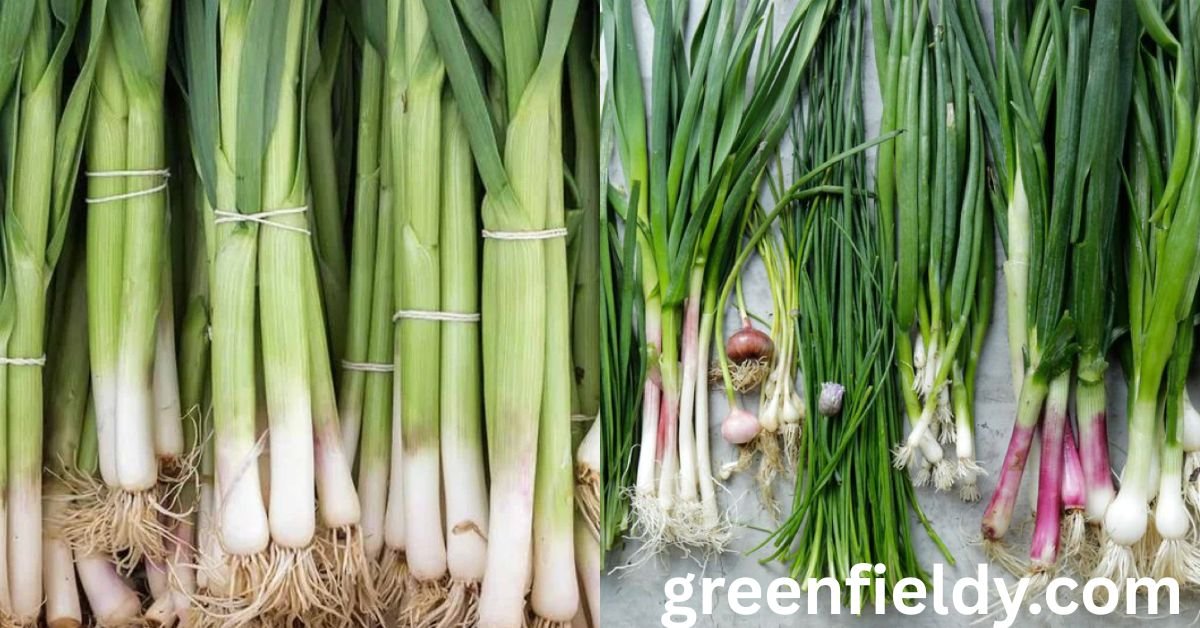
Green onion is a young, immature onion harvested before the bulb fully develops. It has a small white base and long green stalks. Green onions are also known as scallions or sometimes spring onions.
Unlike regular onions, green onions have a mild, fresh flavor and are less sharp, which makes them perfect to use both raw and cooked.
Understanding the Green Onion Shortage
A Green Onion Shortage occurs when supply fails to meet market demand. This imbalance may be temporary or prolonged depending on agricultural conditions, logistics, and economic factors.
Green onions grow relatively quickly compared to other vegetables, but they remain vulnerable to weather disruptions, pests, and transportation challenges. Because they are highly perishable, even minor delays in the supply chain can reduce availability in stores.
Major Causes Behind the Green Onion Shortage
Several factors can contribute to reduced production:
Extreme Weather: Floods, droughts, unexpected frosts, and heatwaves can damage crops or delay planting cycles.
Labor Constraints: Farms rely heavily on seasonal workers. When labor is limited, harvesting slows, leading to reduced supply.
Crop Diseases and Pests: Fungal infections and insect infestations can destroy large portions of the harvest.
Supply Chain Disruptions: Transportation bottlenecks, fuel costs, and border delays may prevent fresh produce from reaching markets on time.
Often, the shortage results from multiple issues occurring simultaneously rather than a single cause.
How Climate Change Is Influencing Production
Climate variability is increasingly linked to the Green Onion Shortage. Rising temperatures and unpredictable rainfall patterns make it harder for farmers to maintain consistent yields.
For example, excessive rain can cause root rot, while prolonged dry spells stress plants and reduce growth. Farmers must now invest more in irrigation, protective coverings, and resilient crop varieties, increasing production costs.
Economic Effects on Farmers and Retailers
When production drops, prices typically rise. Farmers may initially benefit from higher market rates, but crop losses often offset these gains.
Retailers face their own challenges:
- Increased wholesale prices
- Limited inventory
- Difficulty forecasting demand
- Potential customer dissatisfaction
Restaurants that rely on fresh ingredients may also need to adjust menus or increase prices.
Impact on Consumers
For households, the most noticeable sign of a Green Onion Shortage is higher prices or empty shelves.
Consumers may experience:
- Reduced availability in grocery stores
- Smaller bundle sizes
- Price fluctuations
- Substitution with alternative ingredients
While green onions are not usually the main component of a meal, their absence can affect flavor profiles in many recipes.
Global Trade and Distribution Challenges
Many regions depend on imported vegetables during off-seasons. If exporting countries face poor harvests, international supply tightens.
Shipping delays, port congestion, and regulatory changes can further complicate distribution. Because green onions have a short shelf life, timing is critical. Even slight logistical setbacks can contribute to the shortage.
Which Industries Are Most Affected?
The Green Onion Shortage reaches beyond supermarkets.
Food Service Industry: Restaurants, street vendors, and catering services frequently use green onions as garnishes and flavor enhancers.
Food Processing Companies: Ready-made salads, frozen meals, and seasoning mixes often include them.
Hospitality Sector: Hotels aiming for consistent food quality must adapt quickly when key ingredients become scarce.
Businesses that plan ahead and diversify suppliers tend to manage shortages more effectively.
Smart Alternatives to Green Onions
When availability drops, several substitutes can help maintain taste and presentation:
- Chives for a mild onion flavor
- Leeks in cooked dishes
- Shallots for depth
- Spring garlic for a slightly sharper note
Though not identical, these options can reduce dependency during supply gaps.
How Farmers Are Responding
Agricultural producers are adopting strategies to minimize future risks:
Greenhouse Cultivation: Protects crops from harsh weather.
Improved Irrigation Systems: Ensures stable growth during dry periods.
Crop Rotation: Helps maintain soil health and prevent disease buildup.
Technology Integration: Monitoring tools allow farmers to detect problems early.
Such measures may not eliminate the Green Onion Shortage but they strengthen long-term resilience.
What the Future Looks Like
Shortages in fresh produce are becoming more common as environmental and economic pressures grow. However, innovation in farming techniques and supply chain management offers hope.
Consumers can expect markets to stabilize once harvest cycles recover, though occasional disruptions may still occur. Staying flexible with ingredient choices and supporting local produce can help reduce the overall strain on supply systems.
FAQs
1. Why is there a Green Onion Shortage?
The shortage is usually caused by weather damage, labor limitations, crop diseases, and supply chain disruptions.
2. How long does a Green Onion Shortage typically last?
Most shortages resolve within a growing season, but severe climate events can extend recovery times.
3. Are prices expected to rise during the shortage?
Yes, limited supply often leads to higher retail prices until production stabilizes.
4. Can I replace green onions in recipes?
Yes. Chives, leeks, shallots, and spring garlic are effective substitutes depending on the dish.
5. Will shortages become more frequent in the future?
Agricultural experts believe climate variability may increase the likelihood of periodic supply issues, though improved farming methods can reduce the impact.
Conclusion
The Green Onion Shortage highlights how interconnected modern food systems are. Weather events, labor availability, transportation, and global trade all play a role in determining what reaches store shelves.
By understanding the causes and impacts, both businesses and consumers can make informed decisions. While shortages are often temporary, preparation and adaptability remain the best tools for navigating them successfully.
About the Author